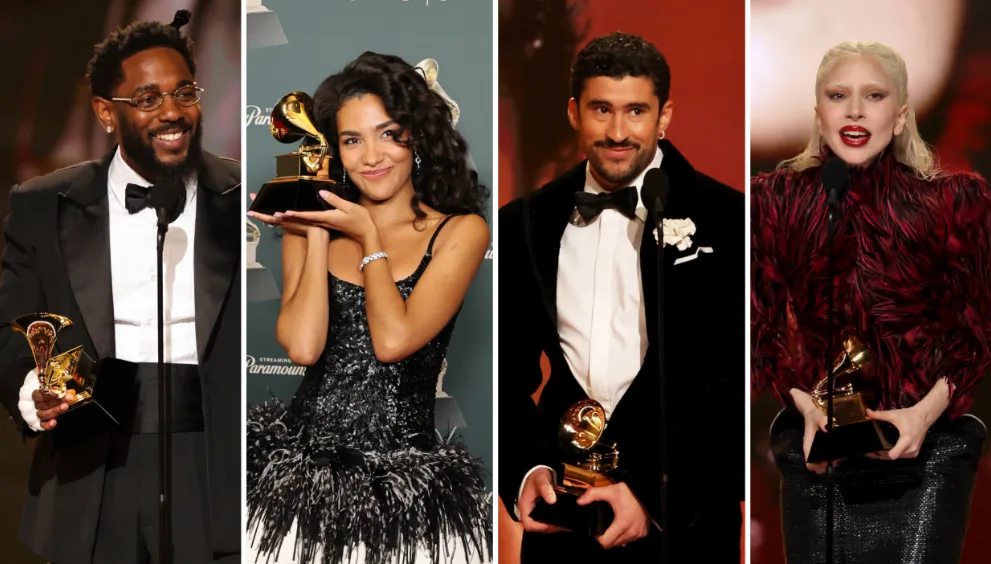
The lesson Grammy Awards 2026 has taught us is that order is highly overrated. The ceremony of this year was not pursuing universal acceptance and did not attempt to homogenize culture into something easily digestible. Rather, it tilted towards shock, contradiction, and a bit of sloppiness- and the internet could not turn its eyes. The show, with its brash fashion, historic victories, and scenes that created actual controversy, felt less like a gentlemanly dinner in the industry and more of a reflection of the current state of the music business.
The following are five lessons of a night that favored anarchy, and still music could be a culturally significant force.
Chappell Roan Proved Pop Back in Theatrical Times
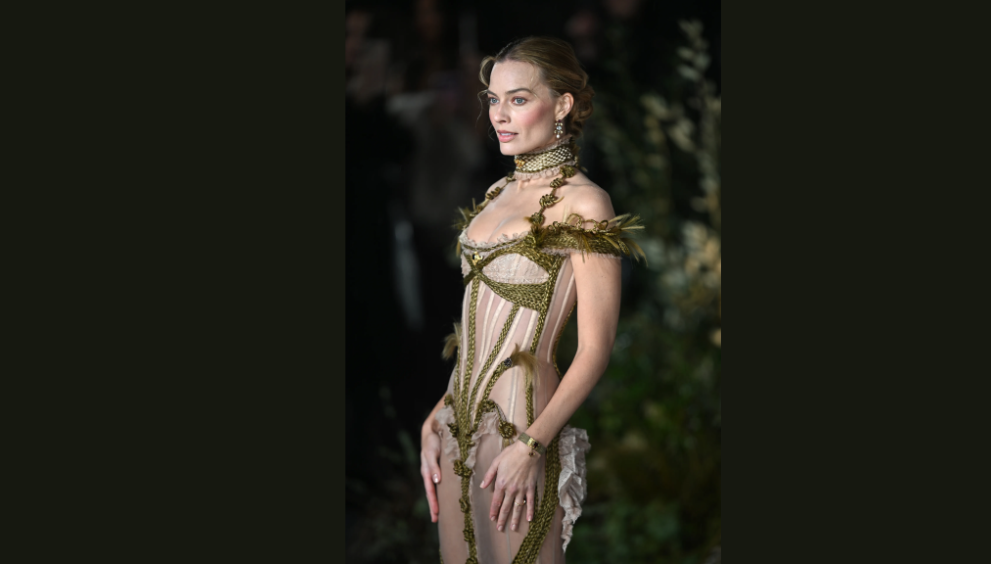
The look of a red carpet by Chappell Roan immediately turned out to be one of the most discussed moments of the evening, because of a sheer, camp-heavy Mugler look that was more a performance art than a regular awards-show fashion. Social media was ablaze in a few minutes-her confidence was being praised by fans, taste was being debated by critics, and memes were everywhere. The thing that made the moment stand was not only the degree of boldness, but a deliberate one. Roan did not water herself down to fit the mainstream, and the Grammys did not objectify her as a gimmick. The point was clear: pop stardom is growing less professional, more focused on personality, more dramatic, and not afraid of self-declaring it.
The Victory of Bad Bunny in the Album of the Year Award Changed the Worldwide Mainstream
The immediate and divided response to Bad Bunny’s album of the year win, Debi Tirar Mas Fotos, was loud cheers in the room and heated rhetoric on the internet. The album won in the category as the first Spanish-language album to do so, thus having actual historical significance. However, it was not a symbolic move but rather the Grammys finally realized the truth of modern listening behavior. World music is no longer a byway, but rather the highway. The victory of Bad Bunny was an indication of a world where language is not an impediment to communication and where culture penetrates well beyond the boundaries of the old industry.
Billie Eilish and Kendrick Lamar Showed Emotional Introspection Still Wins
One of the most significant victories of the Grammy Awards 2026 belonged to the songs that focused more on emotion than on spectacle, with Billie Eilish winning Song of the Year for her song Wildflower and Kendrick Lamar and SZA winning Record of the Year for their Luther. Neither song followed the trends or viral shortcuts. They instead tilted towards vulnerability, restraint, and one-up, many down storytelling. Online reaction told it all: fans rejoiced at the Grammys, where music that lingers instead of flashes is rewarded. These victories served as a reminder that substance and soulfulness remain very deep in the age of immediate effects.
The Unscripted Moment by Cher
All viral moments did not necessarily include a trophy. A particularly popular clip of the night was one of a settle-back-unscripted Cher, as she presented the award for Record of the Year on stage. The scene was human and charming instead of clumsy or excessively directed, and it spread instantly across timelines. It served as a reminder as to why live award shows continue to have a role in a hyper-curated digital world: anything can go, and when something does, it becomes shared. The Grammys did not hurry over the moment; they allowed it to breathe, and the audiences did like it.
The Grammy Stage Was a Stage Not Just a Podium
Some of the artists employed the use of acceptance speeches to discuss other matters outside of music, with Bad Bunny delivering a scathing commentary on immigration and social justice. These were not imprecise and harmless words but calculated words uttered on one of the largest of the industry platforms. Instead of silencing such moments and downplaying them, the Grammys made them resonate as much as they could. The internet response served as a national eye-opener because people still expect artists to interact with the surrounding world. Music is not only entertainment but reflections, megaphones, and even a challenge.
Concluding Remarks: Chaos Is a Sign of Life
The Grammy Awards of 2026 were not clean, unanimously acceptable, and perfectly sanitized, and this was precisely what made them work. They created a discussion, contrast, happiness, and anger simultaneously. The show was produced in a culture where algorithms and predictability often prevail, but the music was still capable of stopping, agitating, and resonating. Chaos is the cost of relevance, and the Grammys finally appeared to have been willing to pay it–music was the better.