When Billionaires Go House-Hunting: Real Estate Isn’t Just a Home, It’s a Power Move
Picture this: a super-rich family office, flush with cash, bypasses mortgages altogether and swoops in with an all-cash offer on a $50 million penthouse in Manhattan. No financing, no loan approval drama-just pure capital deploying at will. That’s not just real estate; that’s global money flexing its muscles.
In today’s world, the ultra-wealthy (think net worth north of $30 million) are treating prime real estate as a strategic fortress, not just a residence. According to a Coldwell Banker survey, more than half of the ultra-rich’s real estate purchases in 2025 are all-cash. Why? High interest rates make borrowing expensive, so paying outright gives them control, speed, and simplicity.
The Hotspots: Where the Rich Are Buying-and Why It Matters
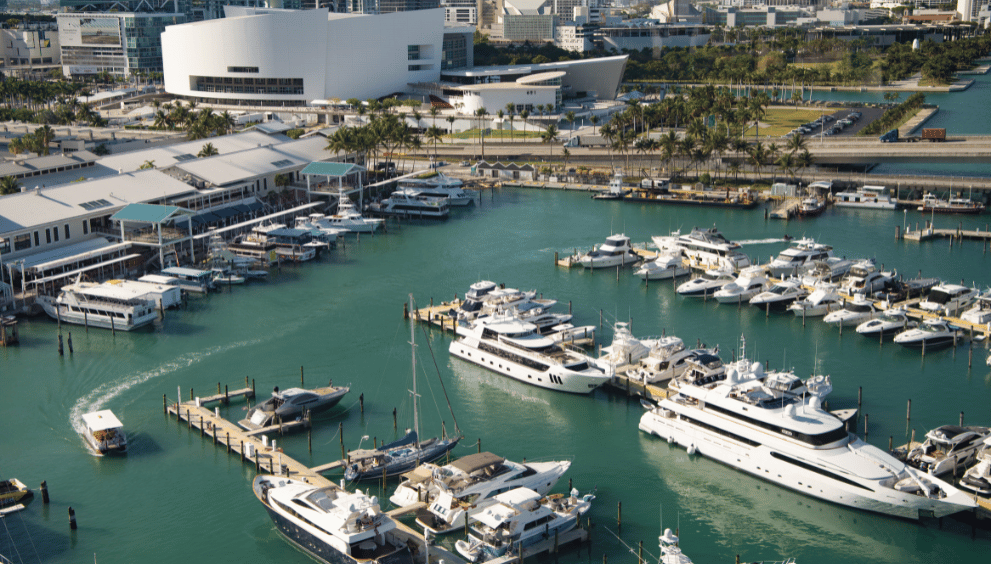
Ultra-wealthy buyers are concentrating in specific markets. According to a recent Nasdaq report, six key geographies are seeing a surge in $10 million+ deals: Manhattan, Miami-Dade, Los Angeles, Aspen, Palm Beach, and Beverly Hills.
What draws them? A mix of factors:
- Stability & Tangibility: Luxury homes are seen to be safer than stocks particularly during the times when markets are shaky. Jessica Robinson, an expert in real estates states that the ultra-rich prefer to have something tangible that they can use, rent, or bequeath.
- Scarcity & prestige: In many cities, prime land is in limited supply. In India for example, ultra-wealthy buyers are calling their luxury properties “blue-chip stocks” – stable, exclusive, and built for the long haul.
- Legacy & generational wealth: For very rich families, these aren’t homes-they’re heirlooms, legacy assets meant to endure.
- Safe haven in turbulent times: When global markets wobble or geopolitical risk looms, bricks and mortar provide refuge.
In India, for example, industrialists and business groups have poured money into marquee properties in Mumbai, Delhi, and Bengaluru-not just for status, but as long-term wealth preservation.
What Does This Mean for Global Liquidity?
When the ultra-rich clobber luxury real estate with cash, it shifts the very nature of liquidity in the financial system. Here’s how:
- Capital Rotation
Wealthy families are reallocating their assets. Instead of holding cash or stocks, many are parking money into real estate. That reduces liquidity in traditional financial markets because the money isn’t circulating-it’s locked in physical assets.
Yet, paradoxically, that real estate is itself a source of liquidity: the ultra-rich often borrow against their real estate holdings, using them as collateral to access cash when needed.
- Resilient Luxury Pricing
Even when broader real estate transaction volumes fall, luxury property prices remain buoyant. Knight Frank data shows that in 2023, global luxury residential property prices rose by 3.1%, even though many other real estate markets were strained.
That means these high-end assets have become a kind of liquidity anchor-not just a store of value, but a shock absorber during volatile times.
- Liquidity Illusion vs. Real Liquidity
Interestingly, the rise of tokenized real-world assets (RWAs)-including real estate-is often touted as a way to bring liquidity. But academic research suggests it’s more complicated. Many tokenized assets still trade infrequently, held by few, creating a “liquidity illusion” more than real deep markets.
Unless trading platforms and regulation mature, these tokenized assets might not be the liquid savior people hope for.
- Widening Liquidity Gap:
As the ultra-rich money is pouring into real estate, low- and middle-income consumers are being pushed aside. As prime markets prosper, the affordability is undermined. Such decoupling may serve to deepen inequality: capital is becoming further protected against all forms of daily economic risks.
The reason as to why this trend is both intriguing and worrisome is two-fold
- It’s smart: For the ultra-rich, buying prime real estate is not just emotional-it’s deeply strategic. They gain a stable asset that can be leveraged, rented, or sold (or just held).
- It reshapes power dynamics: Cities favored by the rich become even more exclusive. The ultra-wealthy can influence urban real estate markets just through where they choose to anchor themselves.
- It strains broader liquidity: Money locked in luxurious homes isn’t necessarily funding innovation or small businesses-it’s slowing down recycling of capital.
- It raises systemic risk: If interest rates spike or markets correct, could these real estate-heavy portfolios become fragile? And if tokenized assets don’t deliver on liquidity, there may be knock-on risks.
- It deepens inequality: Regular buyers and long-time residents may feel squeezed as global capital inflows drive up local property prices.
Final Word: A Billionaire’s Playground, and the Liquidity Playground
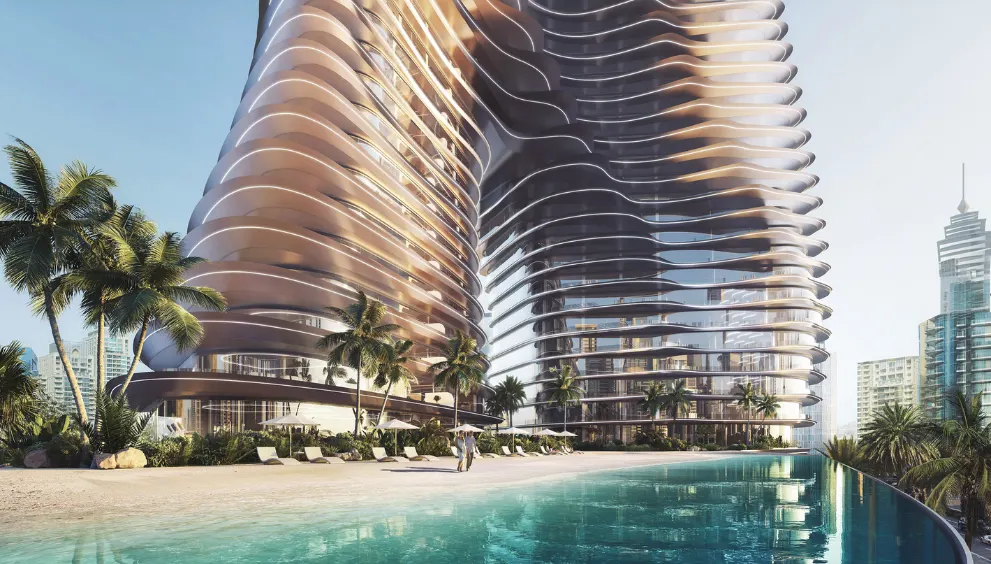
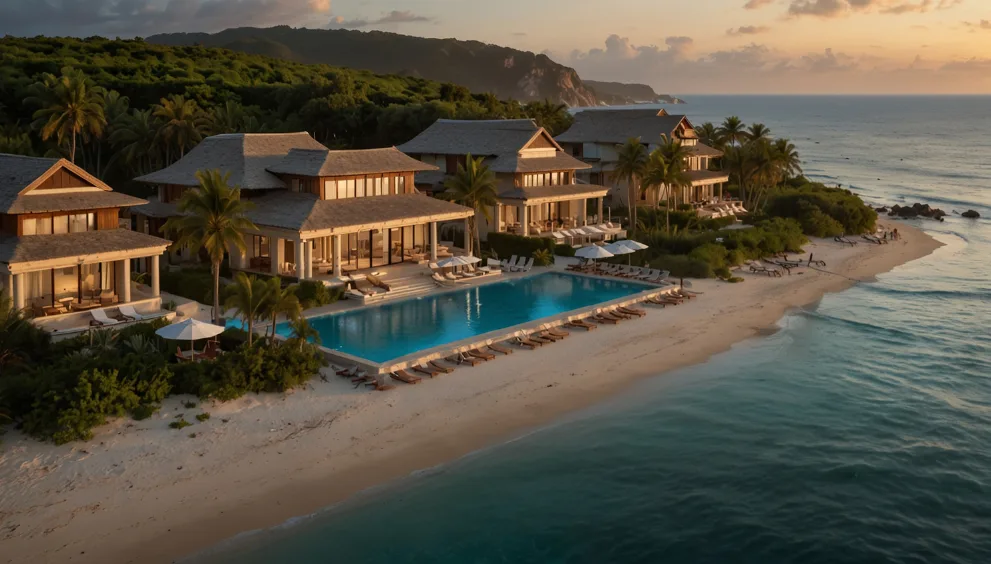
In a way, the ultra-rich are turning real estate into their own private playground-one where they bury money in shining towers, cliffside villas, and global hotspots. But this isn’t just lifestyle indulgence; it’s a major piece of a much bigger puzzle.
As they shift capital into the most exclusive corners of real estate, they’re redrawing the global liquidity map. For the rest of us, that means watching how these flows reshape cities, markets, and even the very definition of “liquidity”-in a world where owning a penthouse might matter more than owning liquid cash.