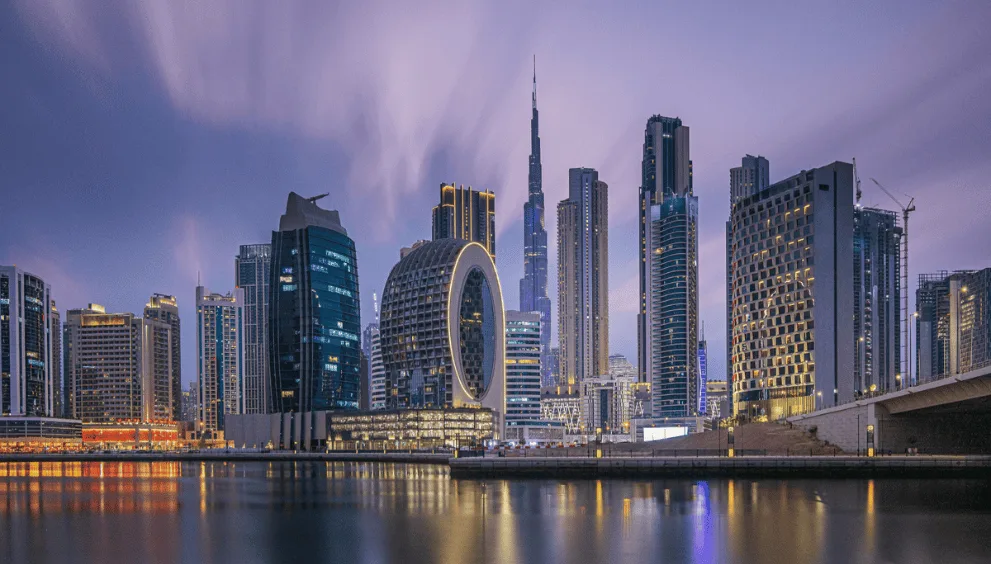
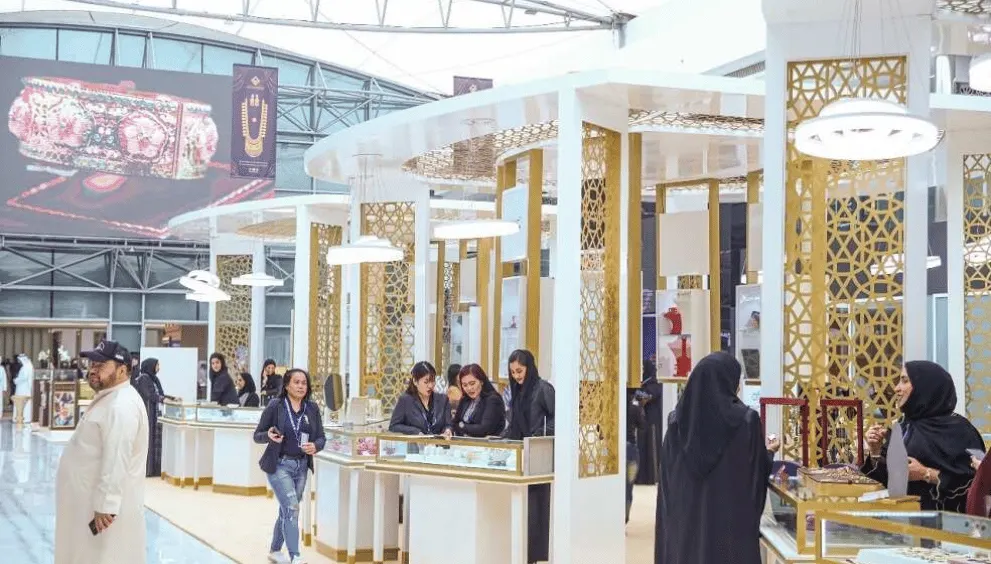
The market of luxury fashion in the Gulf, Dubai all the way to Riyadh, Kuwait to Doha is not only thriving, it is also changing. To begin with, fashion is the biggest portion of the GCC luxury: the high-end fashion segment and ultra-high-end fashion segments have taken up an outrageous 86 percent of the total luxury fashion market in the region, already, and the growth rate is more than twice as high as the global rates.
This is not expansion only fuelled by riches or tourism (although both are relevant). GCC consumers are seeking fashions that speak to their identity – a combination of cultural pride, modern sensibility and worldly sensibility.
In brief: luxury in the Gulf is not a global brand and a half-day long. It’s about wearing a story.
Trend #1: Modest- Fashion Milestones-When modest is the new bold
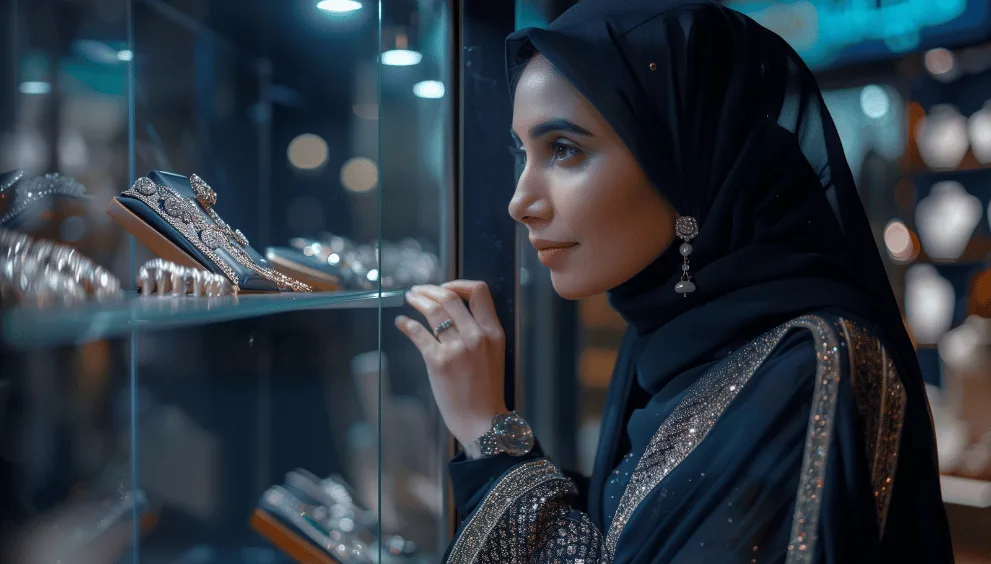
The emergence of luxury modest fashion is one of the highlights in the region. An aba, kaftan, dresses with low neckline, and similar wardrobes that were once considered conservative are being redesigned today as trendy and fashionable items.
Designers and brands are playing around: draped figures, striking patterns, embroidery, drastic stitching – and not violating cultural canons. Even the classical abayas are re-thought in terms of modern customization and high-end fabrics.
It is not just a movement concerning women’s clothes. The need is in the increasing demand in the modest-but-luxurious evening wear, culturally relevant outerwear, and wearable couture that does not sacrifice the style to modesty. Modesty + glamour do not sound contradictory, but aspirational to many of the Gulfaini consumers.
Trend 2: Fusion and Regional Aesthetic of Culture: Luxury that Talks Local
Everyday, the days when the luxury in the Gulf was no more than a reflection of European trends are gone. It is through a blend of western silhouette combined with that of the Middle East, which is increasingly adopted by more designers both domestic and international that a new language of fashion is emerging unique to GCC. Customization, with the hues of the desert, embroidery according to the patterns of the old times, the new gowns with the Arabic-calligraphic or geometrical pattern on them, the end result is something that will feel luxurious, something that will be entrenched in the Gulf identity.
Moreover, regional labels and designers are coming up. The made-in-GCC is burning its own tracks, with both local pride and international fashion preference, to the immodest street fashion, namely silver metallic bracelets.
This mixture is especially desirable among the younger generation of consumers who are neither traditional nor modern and would thus desire to have clothes that resonate with their cultural background and would not feel like compromising on the glamour.
Trend #3: Sustainable Luxury Sustainable and Conscious Style
Luxury was a term which was regarded to be synonymous with excessive indulgence. Nowadays, it is increasingly related to values in the Gulf (sustainability, ethical sourcing, conscious consumption).
Millennials and Gen Z are becoming more responsible with how they use their money: they prefer fabrics and other materials that are greener, reusable packaging material, and brands that follow responsible production. Designers are reacting: clothes are being made out of eco-friendly materials, the supply chain is becoming more transparent, even packaging gets an environmentally-friendly redesign – striking a balance between luxury and eco-awareness.
This movement has a deeper cultural subtext: most Gulf consumers do not just appreciate the appearance of a piece of clothing, but its symbolism. Luxury in 2025 implies beauty and morals.
Trend 4: Couture of the One and Digital-First- Stores to Smartphones
The luxury consumer in the Gulf has ceased to be content with glamour on off-the-rack. They desire customised experiences, exclusivity, as well as convenience. And the fashion houses in the region are closing in on them.
AI-assisted stylists, made-to-order tailoring, embroidered accessories, collections not sold in other regions, all in Gulf style.
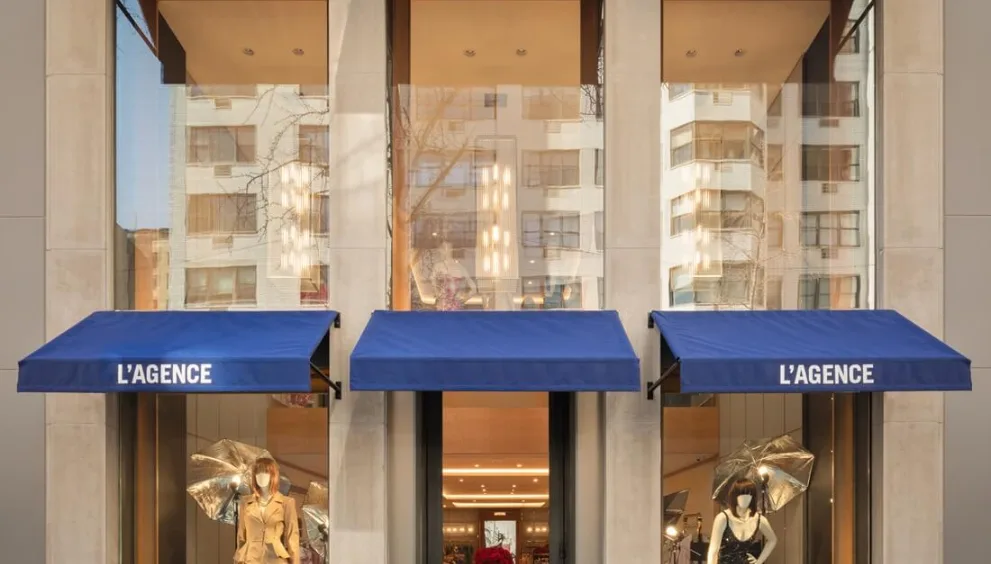
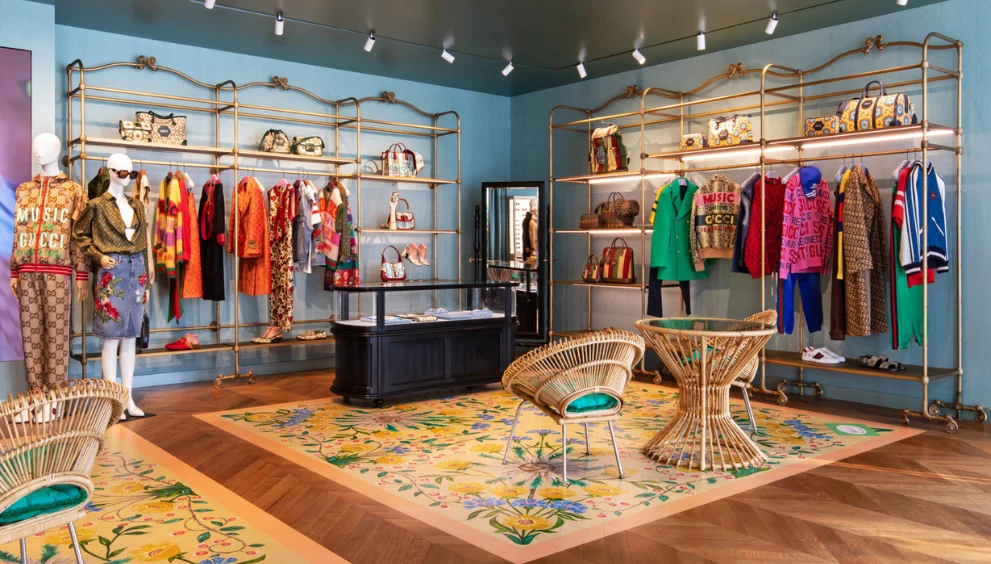
Even luxury retail is changing. High-street boutiques and immersive pop-ups, online collaborations and local exclusive releases; the focus is not on selling clothing but on customer experience, storytelling, and experiences that are curated.
Luxury is not a purchase anymore to many wealthy Gulfland shoppers, but a lifestyle, a story, an assertion.
The fifth trend is Women, Streetwear, and a New Generation Speak: Where Luxury Goes Prima Donna and Plucky
Demographic imbalance in the Gulf is biasing towards the younger age group, and consequently, the fashion sense is changing. Gen Z and younger millennials are going to extremes: street style, theatrical accessories, experimental shapes, and fashion without being taken too seriously.
Meeting streetwear with regionality is a large theme: Arabic calligraphy, local motifs, local design elements that are added to hoodies, oversized silhouettes, urban wear. The outcome: a very Gulf-y street-luxury style.
Meanwhile, younger luxury buyers desire expression-a loud colour and signature accessories and a non-apologetic confidence. These works enable them to be in-between worlds: the world trends and their own identity.
Essentially, this is the generation redefining the meaning of the word luxury: not exclusivity and heritage only, but youth, identity, and creative freedom.
What All This Means: The GCC Luxury Fashion Scene Is Undergoing Its Comeback Story
Considering the curve of the last several years, and particularly of the present year 2025, the luxury fashion community of the GCC is not only expanding, but it is also reinventing itself.
What global logos may have been are transformed into a local identity and heritage. What was perceived as flamboyance is now being made conscious, sustainable and meaningful fashion. What was fixed and exclusive is shifting to dynamic, personalised, digital native and is youthful.
In the case of global brands, this involves modification: creating the local collections, appealing to the local aesthetics, and integrating a narrative into the piece instead of merely affixing logos. As a designer in the area, it is also a time to seize an opportunity to craft a new luxury story that is both global and regional.
To the consumer, it is an invitation to be daring, yet not disrespectful; to be stylish, yet responsible; to be traditional and innovative.
Some Reflections by the Fashion-Forwards GCC Observer
The days of walking into a Dubai mall, purchasing an international brand, and sporting an international style are on the decline. Fashion is aware, edited and networked now. Luxury does not necessarily shout; at other times it whispers: in low-key, light materials, delicate embroidery. But when it speaks, it speaks intentionally. The new gatekeepers are not just old-money elites, but young creators, technologically up-to-date consumers, and culturally based trend-setters.
As I see it, at least as of 2025 in the GCC, the luxury fashion of the future there is one of moderation: between glamour and restraint; global style and regional spirit; prestige and purpose.
And that, dear reader, is not a trend; that’s a movement.