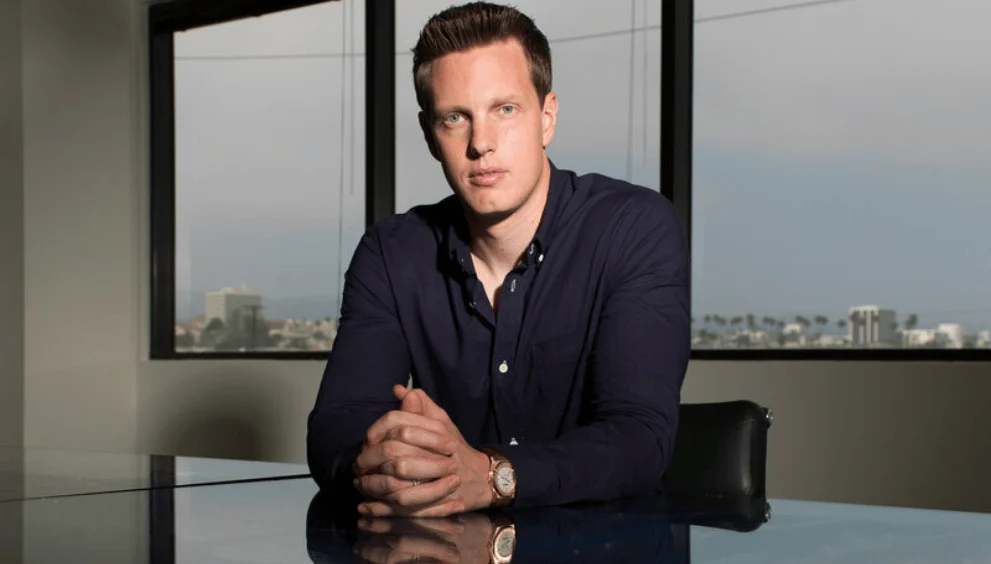
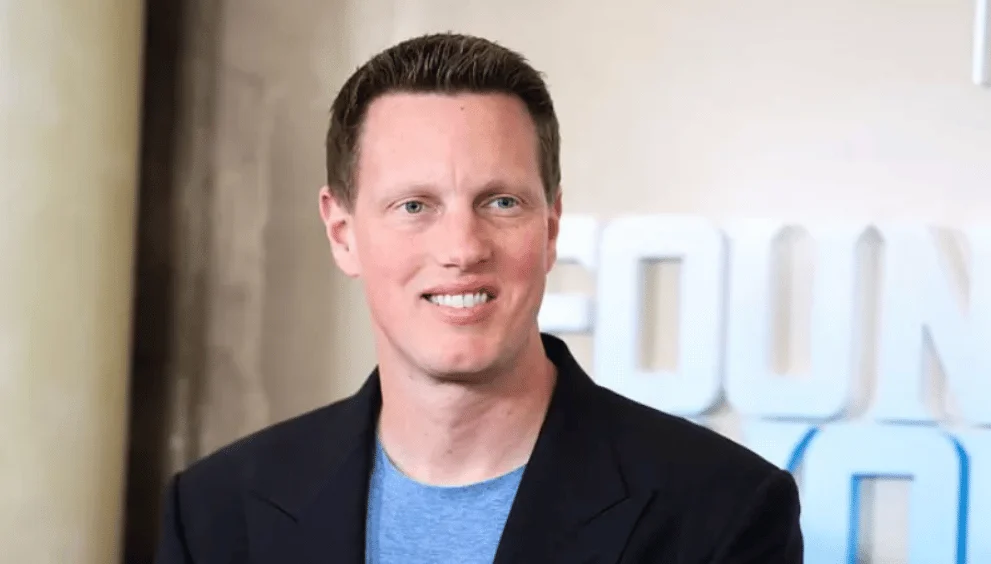
David Ellison is a contrast to the industry, where power brokers, inherited studios, and legacies are the order of the day. He is not only the son of a technology giant. He is not any other producer with access. And he is not glad to act by the old rules of Hollywood. In the past ten years, Ellison has been remaking the definition of what it takes to be a modern Hollywood mogul by thinking in Silicon Valley with the ambition of a blockbuster in a manner that has disrupted the status quo.
It is the tale of how a jet-flying movie fanatic grew up to be one of the most disruptive entities in contemporary entertainment.
Born to Power, Crazed with Movies
David Ellison was born in 1983 as the son of Larry Ellison, a founder of Oracle, and one of the richest men on the planet. His course seemed predetermined on the surface: he had unlimited access to resources, access to the elite, and could do practically anything. However, Ellison was not drawn to technology, finances, or software supremacy. He fell in love with movies.
That distinction matters. Ellison did not go to Hollywood as a Playboy billionaire seeking vanity checks. He would have liked to create something real, something that could be expanded, and something that was sustainable. Instead of pursuing prestige movies or Oscar nominations like past successors, Ellison was thinking of bigger global franchises, technology-based production, and long-term intellectual property.
This mindset would become a defining trait of his rise as a Hollywood mogul.
Skydance: A Studio Like a Startup
In 2010, Ellison started Skydance Media, whose business was not like the traditional studios. Skydance has worked intelligently instead of creating huge infrastructure or old-fashioned bureaucracy. The initial alliance it had with Paramount Pictures enabled Ellison to co-finance and co-produce key releases without the baggage of a traditional studio system. The impressions were fast and definite.
Skydance worked with such films as True Grit, World War Z, Star Trek, and the most significant one, Top Gun: Maverick. These weren’t art-house risks. They were well chosen, global attractive tentpoles to cross market, generation and medium.
Ellison was aware that so many Hollywood veterans did not get to know: scale is more than prestige. Consistency beats chaos. And it is audiences that decide who wins and not critics. It was no Hollywood old-fashioned thinking. Venture-capital logic used in the storytelling.
It is more of a bet on Franchises and not Ego. It has succeeded where others have failed because David Ellison has been not self-centered but has allowed his ego to take back to the back-seat, in his execution. He does not have a reputation as a director-by-objective or auteur-by-objective micromanager. Skydance has instead concentrated on successes that can be repeated.
The said philosophy was spectacularly rewarded with Top Gun: Maverick. The movie was released decades later than the original, and could have been a nostalgia cash grab. Rather, it turned into a cultural spectacle with a gross of more than a billion dollars around the globe and demonstrating to the streaming-dominated world that theatrical films still have a place.
It did not only revive a franchise but Ellison justified a business model. In doing so, he strengthened his reputation as a Hollywood mogul who understands both art and arithmetic.
Hollywood Meets Silicon Valley
The difference that is especially unique to Ellison is the extent to which he incorporates technology into the strategy of entertainment. Whereas older studios were lagging in the transition to streaming, data analytics, and measuring their audience on a global scale, Ellison was moving in the right direction.
Skydance has been extended in the area of film to television, animation, gaming, and immersive media. This was not a case of random diversification, but it was building ecosystems. Ellison never thought of IP as a one-product commercial entity, but rather as a platform that would be able to coexist across formats, devices and decades.
Such cross-media vision reflects the thinking of tech firms rather than operation of studios traditionally. It’s why Ellison is often described as a bridge between Silicon Valley and Hollywood—a hybrid Hollywood mogul fluent in both code and cinema.
The Paramount Moment
The most disruptive step that Ellison made was when Skydance was placed to acquire the leadership of Paramount Global, which is among the oldest and most legendary studios of Hollywood. Once completed, the transaction would put Ellison in the top position of a legacy media powerhouse when the industry is facing an existential crisis.
This was not an acquisition. It was a statement. Ellison was not purchasing nostalgia. He was acquiring infrastructure, brands, and global presence, which he thinks can be updated to a more efficient running, more intelligent technology, and a new perspective on quality storytelling. Where others would see downwardness, he may see advantage.
It is a stereotypical disruptor strategy: build something old, remodel to fit a new age, and take it to the rest of the world.
A New Archetype of Power
David Ellison maintains a relatively low profile as opposed to the high-profile past celebrity executives. He does not take up headlines with dramatic quotes or Twitter tantrums. He makes his influence through deals and not drama.
That restraint is strategic. Ellison knows that credibility is cash in the contemporary disjointed media environment. Directors trust him. Studios partner with him. He is taken seriously by investors. And audiences know or not his name, and react to the products he supports.
In many ways, Ellison represents a new archetype: the quiet Hollywood mogul who lets execution speak louder than mythology.
Why Ellison’s Rise Matters
It is not merely a personal success story that David Ellison has had–it is a pointer of the direction Hollywood is taking. The intuition-only leadership style is on its way out. The future is of the executives who will be able to combine creativity and data, legacy brands and modern platforms, and storytelling and scalable business models.
Ellison did not upset Hollywood by refusing it. He caused it to crash by knowing it more than most insiders- and applying a new operating system.
In a world where studios are in trouble, streaming wars are not as hot, and viewers are in need of a higher quality of entertainment, the strategy described by Ellison seems less of an experiment and more of an outline.
Will he eventually redefine Paramount, redefine the franchise movie-making process, or create the next entertainment powerhouse? This much is certain: David Ellison is not simply inheriting power. He’s earning it. And by doing that, he is redefining the notion of what it means to become a Hollywood mogul in the 21st century.