There was a time when fashion houses were small ateliers with creative geniuses at the helm, living solely for the art. Come 2026, luxury fashion is still extraordinary- from both art and business perspectives. A HUGE business, actually.
If you‘ve seen your favorite luxury brand suddenly acting like a corporate giant (price increases, limited drops, aggressive expansions), you aren’t delusional. It is the private equity invasion. And it is changing everything.
Let’s get into it.
Tradition versus Technology
Luxury has always been based on exclusion, provenance, and craftsmanship, which the luxury brands have taken advantage of since forever. The old European family-run businesses come to mind, where each handbag stitch has a 200-year history.
Now, come private equity firms—financial capital investors that specialize in acquiring, flipping, and growing organizations for profit. These firms, in growing numbers, are deciding to invest in the luxury space now-owned brands. Furthermore, they’re infusing those brands and marketplaces with new capital and COVID-era re-imagining.
Translation: Couture is still couture, but now it also exists in spreadsheets, total supply chain efficiencies, and investor returns.
Why Does Private Equity Love Luxury So Much?
Three words: high margins forever. Luxury goods are, by definition, sold at ludicrously high margins. A $2,000 handbag costs $200 to make. That kind of sum is the antithesis of risk in the book of private equity.
Moreover:
- Luxury is recession-proof-ish: Rich customers continue spending money even when the economy is “down.”
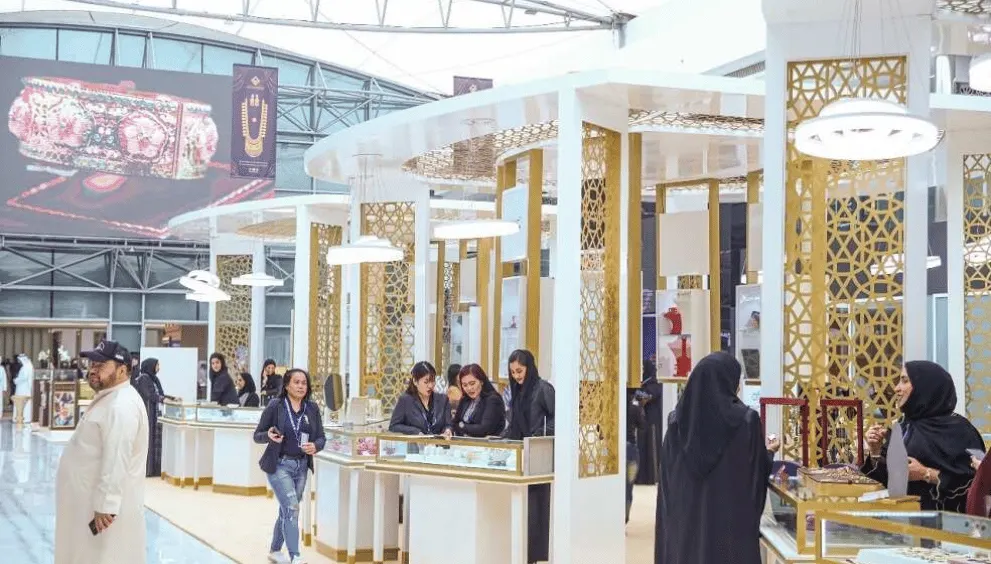
- Emerging Markets: The growth of luxury services in countries such as China, India and even the Middle East, where the growth of luxury services is becoming the norm.
- Brand loyalty: Luxury consumers are highly emotional about their purchases- a Dior girlie is always a dor girlie. To the nearest, the concept of luxury is not only glamorous- it is a cash-cow that private equity is looking at.
Case Study: Jimmy Choo and Michael Kors (aka the birth of Capri Holdings) Merger
We shall have a look at an actual life case study, which rocked the high-heeled fashion scene.
In 2017, Michael Kors (the brand of the trendy totes your stylish aunt wears) acquired Jimmy Choo that cost approximately 1.2 billion. Later in the year 2018, they acquired Versace at 2.1billion dollars. Voila! Capri Holdings was a new luxury group born.
This was certainly a step toward the wisdom of private equity:
- Grow brand portfolio: cross and diversify to consumer bases.
- Eradicate inefficiencies: centralize operations, as in products and marketing.
- Go global: further invest in Jimmy Choo and Versace in Asia and the Middle East.
Capri took high-end fashion brands and made them into power brands backed by a huge corporation. Sales took off, although some detractors mentioned that the brands lost some of their “authentic magic” in the process.
But? From a performance standpoint? It worked so well.
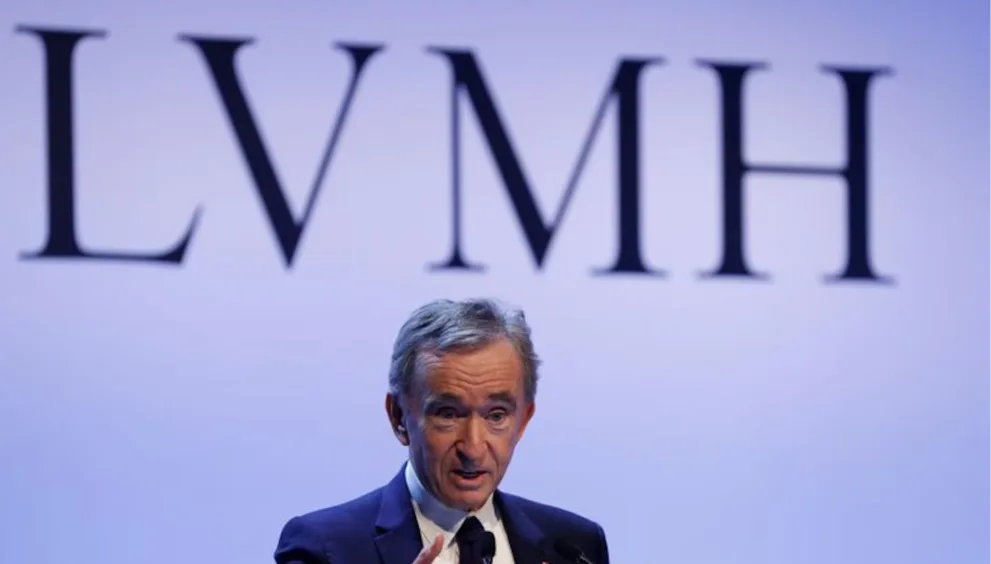
The Big 3: The game LVMH, Kering, and Richemont are playing. It’s not just Capri. The real titans reshaping the luxury universe are:
LVMH
- Home to Louis Vuitton, Dior, Fendi, Tiffany & Co., and basically half of your luxury wishlist.
- Strategy: Acquiring prestigious names, then supercharging global growth. Think: larger margins, larger reach, larger flex.
- Recent move: Bought Tiffany for $16B in 2021. Full boss move.
Kering
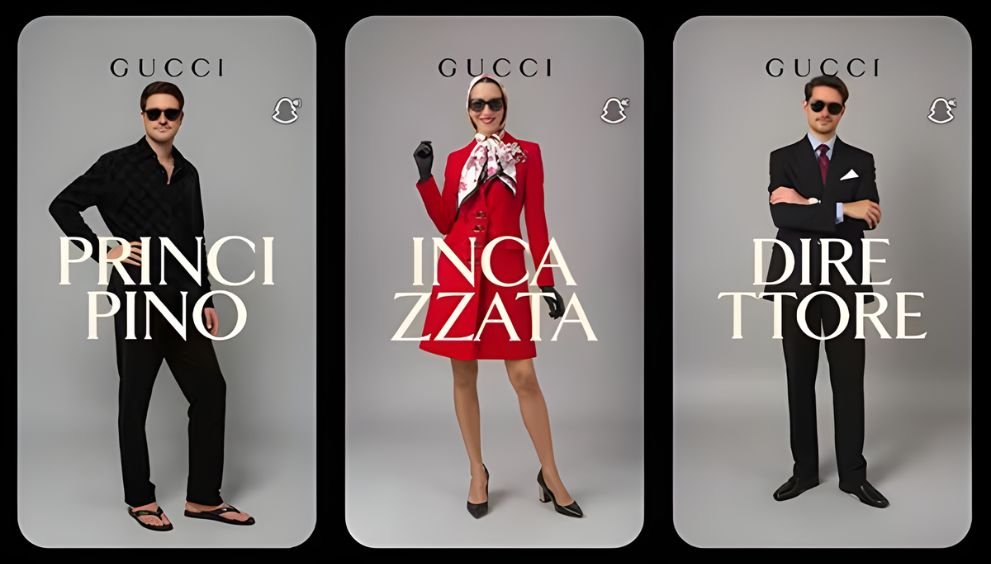
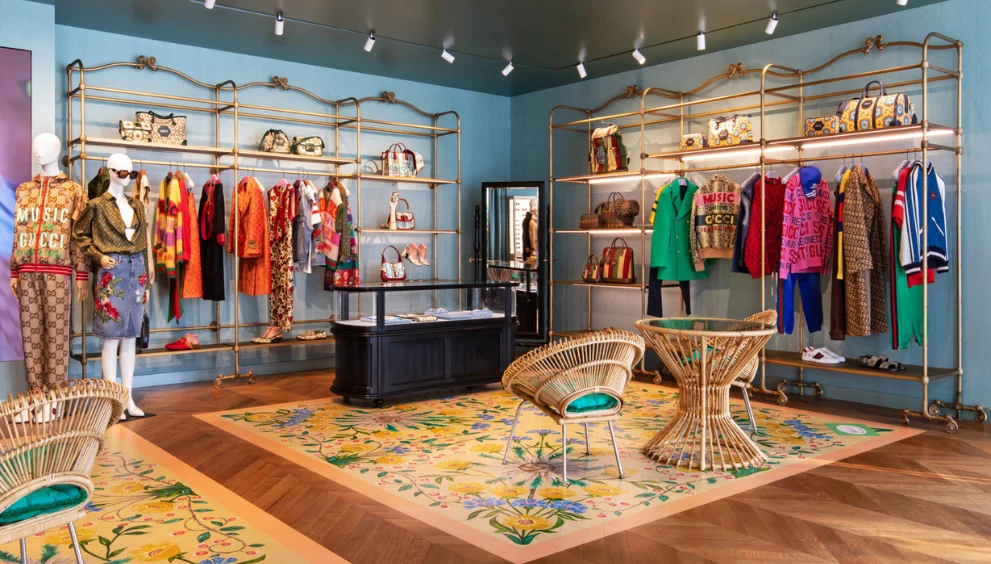
- Gucci, Saint Laurent, Balenciaga, and Bottega Veneta’s Parent Company.
- Plan: Find a few small niche luxury homes and acquire them at the international level (Exhibit A: Bottega is certainly-not-100%-green renaissance).
- Focus: The best possible curve-ball branding, virally unidentifiable collaborations, and celebrity star power.
Richemont
- Parent company of Cartier, Jaeger-LeCoultre, and a number of other insane watch and jewelry brands.
- Strategy: Double down on jewelry and hard luxury while finding some seat at the e-commerce table (looking at you, Yoox Net-a-Porter).
At the same time, private equity sharks like Carlyle Group and Blackstone are slowly- but stealthily- building out major positions in luxury label fringe designers/brands, and are placing their bets on the next fashion boom.
How Private Equity is Flipping the Fashion Playbook
Here’s the new luxury handbook, courtesy of finance bros and boardrooms:
- Limited drops, maximum hype: “Think Supreme-style scarcity but Chanel prices.”
- Followed a digital strategy: If you’re following what luxury is doing, it’s going hyper online, all the way from TikTok to virtual pop-ups.
- Global focus: Dubai, Shanghai, Mumbai, Nairobi, where are we going next?
- Strategic price hikes: Repositioning brands as even more elite (and inflating that exclusivity factor).
But Hold Up…Is This Good or Bad for Fashion?
Pros:
- Access to luxury brands on a worldwide scale.
- New collaborations (Versace x Fendi) that put new spins on classic icons.
- More transparency in a more digitally-based experience (i.e., your question doesn’t take 6 weeks to be addressed by customer service).
Cons:
- Brands risk having their authenticity damaged if they continue to chase profit.
- With prices climbing, loyal followers could be left out of the picture.
- With hybrid usage, smaller and indie luxury players could get squeezed.
At its best tier, private equity provides funding to help fund innovation. At its worst, it puts the fashion industry into fast fashion mode…just with a $5000 price tag.
What’s next for fashion and finance?
- Additional Mergers: Chances are there will be even more brand collectives, like LVMH (the parent company to Louis Vuitton), with lots more niche luxury brand acquisitions.
- Sustainability Demand: Younger consumers are increasingly insisting on ethical luxury.
- New Players: Look out for tech billionaires tackling luxury start-ups. Web3 fashion houses? Blockchain-certified Dior bags? It’s coming.
Fashion is no longer just runways and Vogue covers. It’s high finance, private equity deals, and billion-dollar boardroom decision-making.
Next time you see a beautifully-staged advertisement for a luxury brand, remember that – behind that surreal aesthetic? There’s likely a stumbling, misshapen spreadsheet, a valuation model, and a gaggle of finance bros laughing out the other side of their faces.
Final Thoughts
Can Fashion Stay Fabulous in a Finance-First World?
The private equity takeover is making luxury brands bigger, wealthier, and bolder than ever before, and the real flex will be if these brands can maintain even a slice of their soul while pursuing these billions. Let’s face it—luxury is far more than the price tag; it evokes a feeling—a fantasy. And no amount of venture capital can replicate that feeling or fantasy without the fashion girls (and guys) actually buying it. Tag along, because this fashion-finance crossover is just getting started.