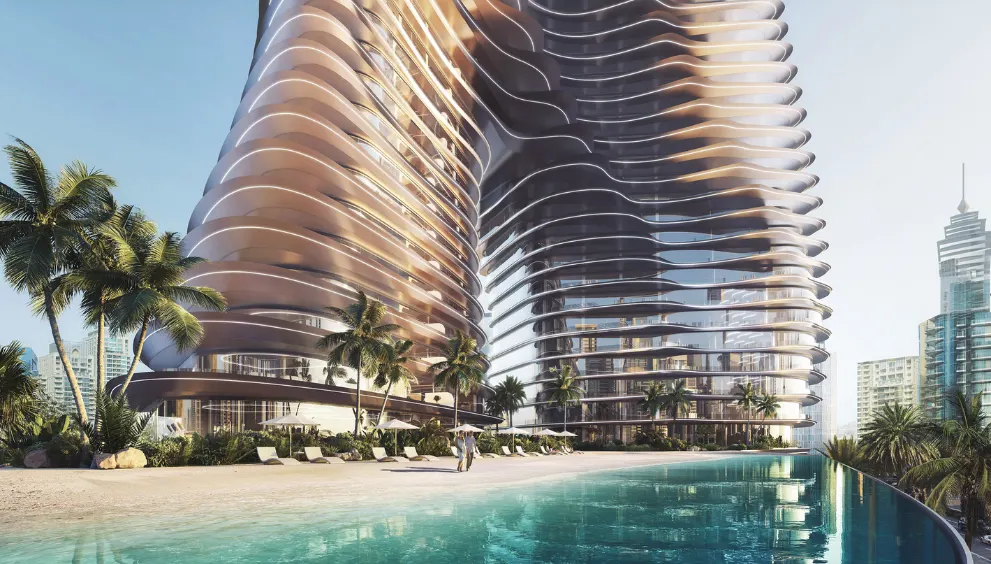
At one point, luxury real estate was about square footage, city views, and the availability of a concierge to secure a last-minute dinner reservation. Today? It is about living within a brand. Welcome to the age of branded apartments and skyscrapers of cars – in which your house does not simply have an address, it has a pedigree.
Since Bugatti towers in Dubai are conquering the call of gravity and Aston Martin towers in Miami are glamorizing the highways, luxury developers are borrowing pages out of the car world, and the outcomes are quick, glitzy, and extremely pricey.
What Really Is a Branded Residence?
In its most simple form, a branded home is an upper-class house that has been developed together with a worldwide recognized brand. In the past, this entailed such hospitality brands as the Ritz-Carlton, Four Seasons, or St. Regis. However, over the last ten years, fashion houses, jewelry brands, and, most sensationally, supercar manufacturers have joined the fray.
Why? Since the current ultra-high-net-worth consumers do not simply desire luxury, they want identity. A Bugatti house is not a house that just has marble floors; it is a house that is going to have speed, exclusivity, and engineering daring–rearranged into concrete, glass, and gold accents.
Fly into the Skyscraper of a Supercar
Traditional branded homes are lifestyle-oriented, and supercar skyscrapers are fantasy-oriented. These structures do not talk of money, but roar their engines.
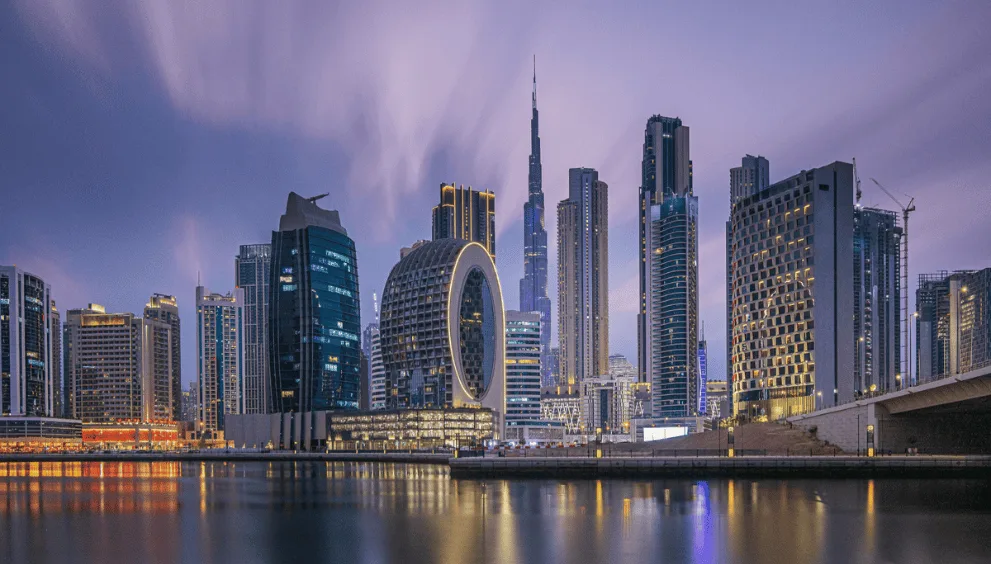
Consider the Bugatti Residences in Dubai by Binghatti. This is not merely a tower, but a vertical application of the DNA of Bugatti design. Acts inspired by aerodynamics Think fluid curves, dramatic cantilevers, and the feeling that the building is about to take off if you are not careful. The elevators are designed to fit in the living rooms of residents as the cars are parked using private car lifts (yes, literally). It is not so much home sweet home but Batcave and couture.
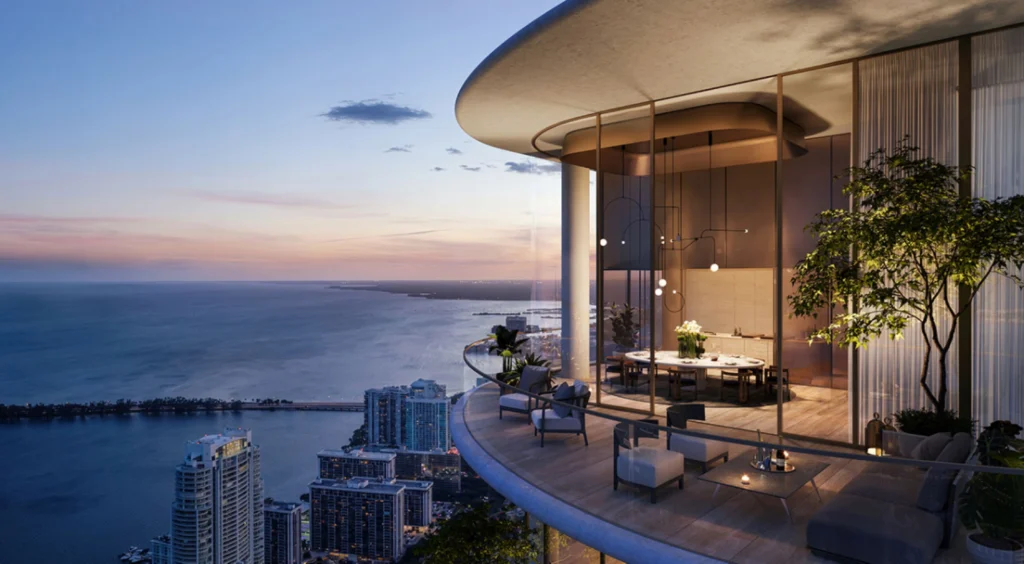
Then we have Aston Martin Residences in Miami, a 66-storey glass blade which is located at the entrance to the Miami River. In this case, it is not so much the vibe of sci-fi spectacle, but Bond-level polish. Strauss, custom-made interiors, and an understated confidence that states that I do not need to shout – I purr. The structure reminds precisely what an Aston Martin is supposed to feel like; gracefully, muscular, and not apathetically customized.
The reason why car brands are making houses
Cars and condos may appear to be a weird couple on the surface. However, get deeper into the plan, and the strategy is crystal clear.
Emotion, aspiration, and scarcity are already being sold by Supercar brands. A Bugatti buyer is not making a comparison of the price-per-horsepower; he is purchasing a myth. By moving that mythology into the real estate business, the brands are able to expand their universe and their income, without constructing a new factory.
The advantages are equally obvious to the developers. Put a tower with a legendary badge on it, and all of a sudden, it is not just another luxurious building; it is a collectible. There is instant global recognition, marketing muscle, and pricing power provided by branding. Branded homes, in most instances, fetch a higher price of 20-35 percent than similar non-branded houses.
Design as Storytelling
It is not only the logo on the wall of the lobby that makes supercar skyscrapers unique, but the extent of the brand’s permeation in design.
In the case of Aston Martin Residences, the interiors were designed by the same team that designed the cars of the brand. Automobile detailing Custom door handles. The choice of materials is an obsession with a flagship GT. Even the movement of space reflects the sensation of entering a perfectly tuned car.
Bugatti, in its turn, drives straight towards drama. The idea of it not being mass luxury is supported by soaring ceilings, sculptural shapes, and hyper-exclusive services.
It is a narration made of steel and stone. You are not purchasing an outline of the floor plan but a story.
Who’s Actually Buying These?
The average customer is not necessarily a rich man or woman; he or she is internationally mobile, brand-conscious, and may already be a client of the brand. Most have more than one house, they have collections of cars, and they view real estate as an improvement in their lifestyle as well as an investment.
Notably, these customers are younger than the conventional luxury real estate customers. Consider tech scoundrels, crypto-age prosperity, and global entrepreneurs who have always looked up to these brands. It is not bling to them, and a skyscraper supercar is the best aspirational and Instagrammable possession ever.
Is This a Hoax or the Next Generation?
Opponents say that the branded residences threaten to become the new forms of novelty as a trophy today, and old-fashioned tomorrow. And no, not all logos are to be found on a building. A brand that is not strong or the lack of effort in performing it can be like a grab of merch concrete. However, in its rightful form, branded residences find something authentic: it is the need to experience luxury. Experience is as valuable as property when it comes to wealth becoming more global and contests with attention increasing. The final manifestation of such a shift is living within a brand you like.
The Road Ahead
Supercar towers, towers of new fashion houses, as well as stronger integrations between brand and building, will be expected. High design and storytelling will have a more and more significant role in wellness, sustainability, and smart-home technology. Living like a brand is not the next frontier, but living within its philosophy.
With luxury no longer being about the possession of more but the meaning, branded residences are gaining speed. Buckle up.