Hello, Sports fans and Fashionistas,
Never thought I’d address both my favorite people in the world together. But here we are! Athletes and fashion aren’t two in the same sentence. One represents focus and functionality, determined to score the next goal, while the other is a stylish diva driven purely by creativity and flair.
And how should this strange combination be?
Well, the 21st century has been a stream of surprises, and in case something this epic would take place, it had to be in the century of this dynamism. Why not have a bit of a history lesson as to how the two pretty worlds fell in love?
In terms of sportsmen, they were generally stuck in the world of functional clothing, think tracksuits, oversized gym gear, and trainers designed for actually working out. Fashion was a pseudo-world they sometimes played in, but never really hung in. This trend became different as some courageous athletes chose to go beyond the sport boundaries that had been put in place in terms of jerseys and cleats.
Back to the 1990s
The entire love affair began with the formation of Streetwear in the 90s, which is a combination of sporty/sportswear and casual wear. It is already an aesthetic among footballers and athletes, even before we had a name. The major motivation of the new sport-casual trend.
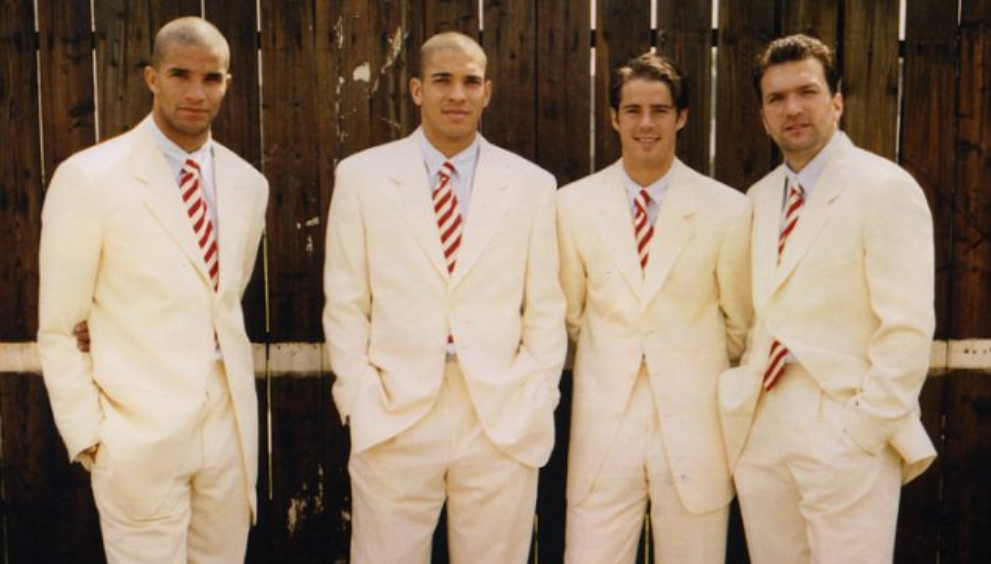
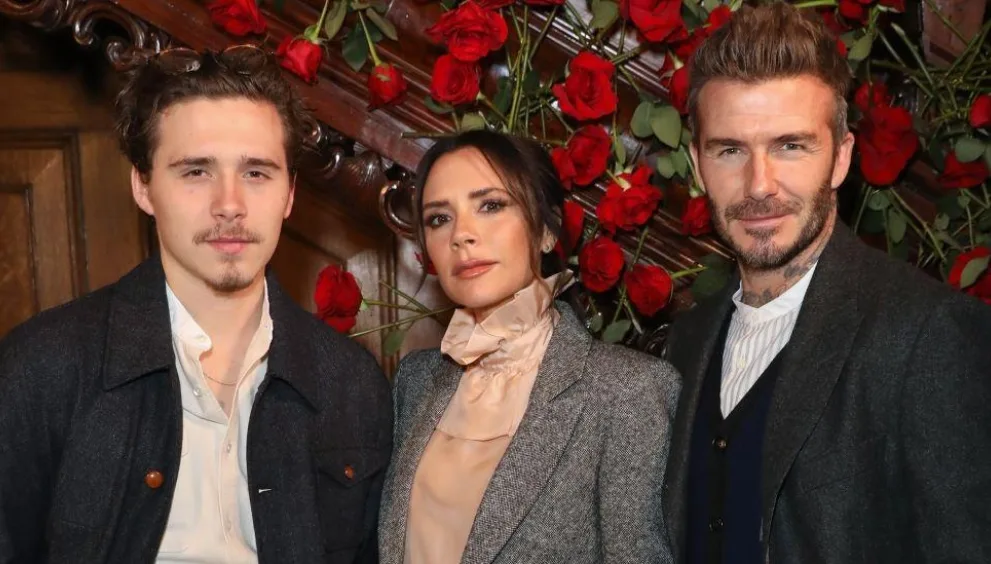
The fashion of football superstar David Beckham took the form of low-end street fashion and high-end suits, and the Liverpool FC Spice Boys were also trending off the field. Their high-end lifestyle with luxury suits and champagne glasses started blurring the lines between celebrities and sports stars, and the further the line blurred, the more their fans followed their lifestyle and, of course, their style as well.
As brands noticed the growing admiration for football’s broad appeal, they did what they do best–sponsored players, and got endorsements, which eventually led to the collaborations that built the foundation of fashionable football. Footballers are appearing in ad campaigns for mostly athletic brands like Adidas or Nike.
Beginning of the Millennium
By the 2000s, the luxury world had already witnessed the massive success of basketball star Michael Jordan’s 1984 collaboration with Nike. Building on that momentum, it made its first major move into the football world with none other than David Beckham.
Beckham, arguably the biggest fashion icon in football, brought clothing to the front stage. He made style cool again through his crazy hairstyles and even more iconic sarongs. He moved from sporty streetwear by day to haute couture suits by night with ease and set a new standard. Beckham wasn’t just talking; he was wearing the outfits.
In addition to his many collaborations, he collaborated with various brands, including Armani, Tudor Watches, and most recently, with the BECKHAM x BOSS Spring/Summer 2025 menswear collection with Hugo Boss to further establish himself as a global fashion icon.
Ultimately, Beckham opened the doors for sports stars to take on fashion or maybe listen to their own inner stylist or fashion practices, on their own terms and in their own style. Suddenly, athleisure became a thing without it being an option, and just in time.
Athletes showing their style off the field became the norm instead of a random image shared late on social media. Now, an athlete’s uniquely established off-field style can offer up “clout,” allowing them to amass a following with greater collaborations and new opportunities before a game.
Following the trends, another Football celebrity emerged, a global star, Cristiano Ronaldo. If you think the football world is crazy for him, you should see the trends that he’s made in the fashion world. We all know that Cristiano is a natural trendsetter, hence he did something that we would’ve never guessed–CR7, a brand founded by Ronaldo and a fashion empire that now manufactures clothing, fragrances, and footwear.
Fast forward to today’s social media:
Social media has also enabled fans to see athletes in all their fashionista glory, and it has also brought us snapshots of their lives when they are not competing, practicing, or training. Getting those glimpses into the glamorous lives of athletes that fans can’t get enough of.
After the pursuit of social media and the inception of social media marketing, footballers soon started appearing in items everywhere, right down to your most commercial luxury products, and shaping their fashion identity as well. An example is Frenchman Kylian Mbappé, who is among the most renowned luxury brands, Dior. He earned hearts on the runway with sharp suits and casual Parisian-inspired looks, and football prowess.
Neymar, as a Puma ambassador, is a fashion-smoking hot showstopper, with the same edgy energy of Puma. Neymar’s style is loud and lavish, and crazy, and even his eccentricity in fashion is as frenetic as his game on the field; he is the potent ambassador, generating electric energy into whatever he wears, be it chunky statement jewelry, perfectly fitted suits, or what seemed to some outlandishly streetwear.
Or Messi, let’s not forget! Lionel Messi has been altering the run of style through his own brand, the Argentine taste.
It was great to watch Messi, as a long-time Adidas ambassador, to be paired with Cristiano Ronaldo in the first instance at the Louis Vuitton 2022 show.
From football grounds to the red carpets?
These are just some examples; I can’t even begin with the number of sponsors and collaborations the fashion world has made with sports stars. Athletes who are no longer just wearing their branded jerseys are representatives of the brands. These partnerships aren’t lucrative but rather mutually beneficial as brands get the approachable, fresh, cool credibility of sports stars, while they explore different spheres of expressing themselves.
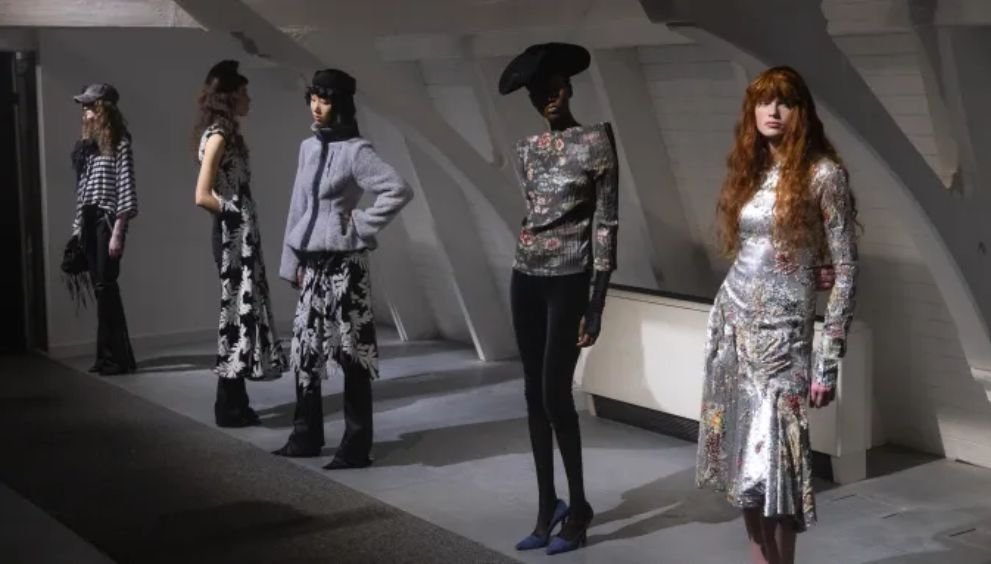
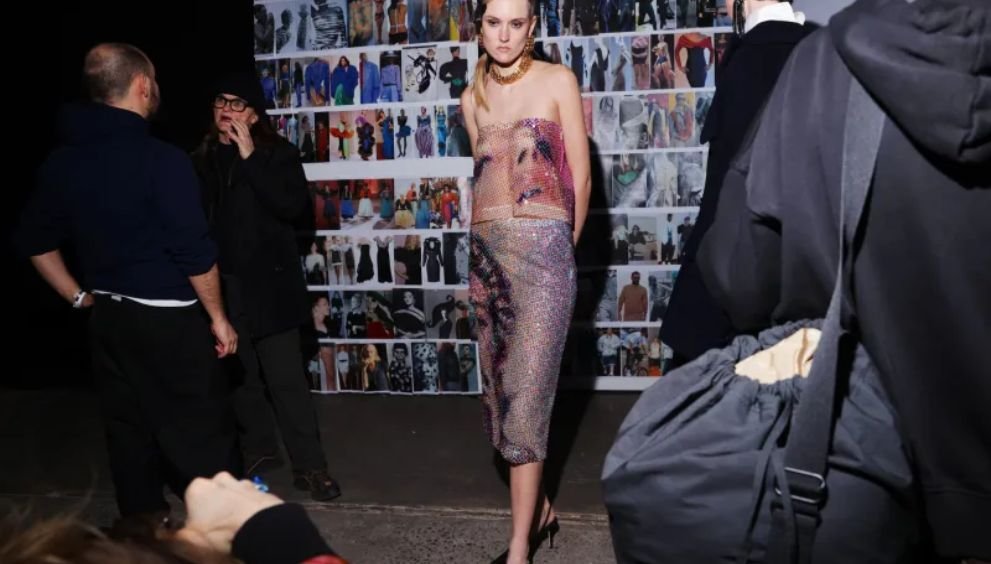
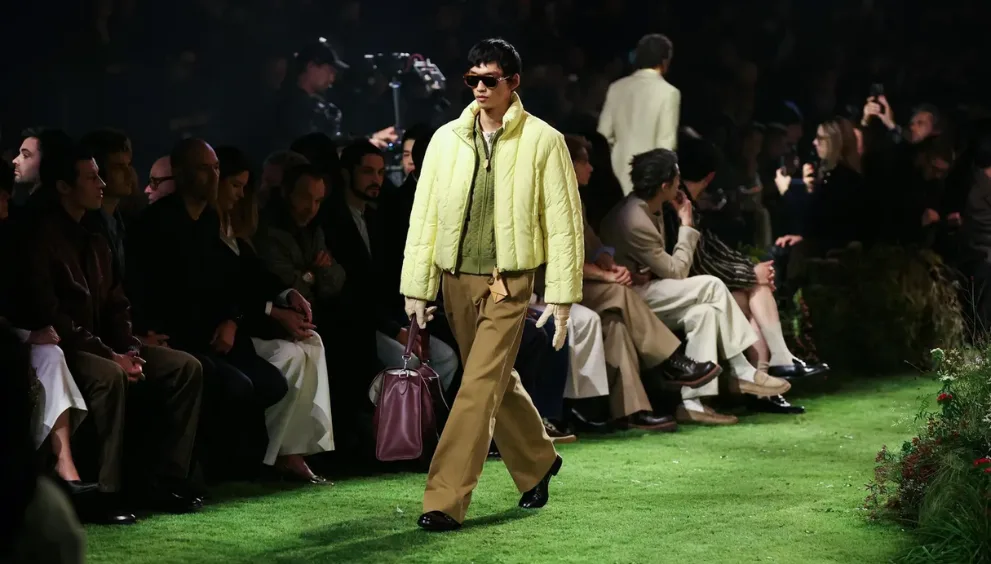
Our sporty influence didn’t just stop at collaborations, nope. The football style was later adopted by luxury brands. I refer to the FIFA 2018 World Cup, in which Louis Vuitton created bespoke luggage. Or the very recent Paris Fashion Week, which included various influences of streetwear and sport culture, wrapped up in timeless elegance. These players have become a part of the red carpets, luxury fashion shows, and fashion magazines, representing the “I can look good, and play better “ motto, and I can’t express how much I’m here for it.
Sportsmen as the Role Models of Contemporary Masculinity
This is a more significant change in society since the new-generation style-conscious athlete. We are moving beyond insular, traditionalist definitions of masculinity. Athletes, the hyper-masculine pre-eminent examples of masculinity, demonstrate that a figure can be strong, skilled, and ruthless in sport, and still care about how they look and are groomed out of sport. Each one of these athlete examples paves the way to accept what it means to take pride in your appearance, and for younger generations to see personal style as personal identity and not vanity.
Beyond Football: Other Sports Icons Leading the Charge
The fashion industry obviously wasn’t just going to stop at football; while it was the starting point, it’s far from the finish line. Basketball stars, tennis stars, and even cricket stars are shining like never before in the spotlight about fashion.
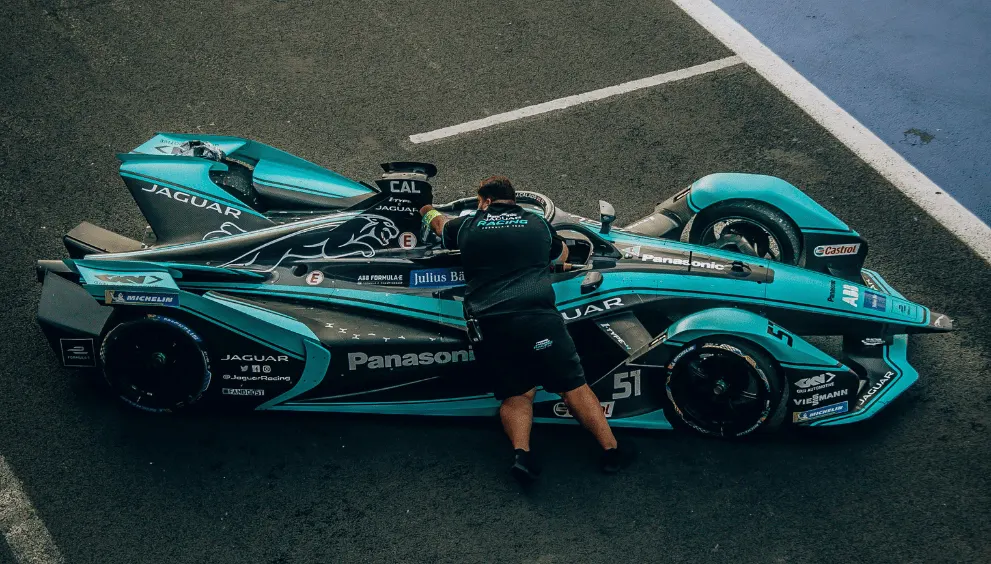
Consider the case of F1 driver Lewis Hamilton, who in 2024, made an appearance at the Men Spring 2024 line show in Louis Vuitton, a high-end fashion brand, wrapped in texture, forms, and designs, and extraordinary accessories, which he wore. And there is also the NBA superstar Russell Westbrook, who has no hesitation to make an avant-garde style of fashion even in his casual moments.
Through Roger Federer and his uncomplicated, casual looks, to Serena Williams and her big and strong image, sports personalities of all kinds are reasserting their presence in the street style arena, proving that fashion can be made to look good on everyone who likes it.
What is the next timeframe of chaos for the industry?
It seems that the merging of fashion and sports is not going to slow down in the near future, and most likely it will remain the same, as people want to wear something that will keep them comfortable but stylish as well.
More crossovers between these two worlds are likely to occur, as younger players begin to gain fame, such as Erling Haaland and his aggressive, unpredictable fashion.
To sum it up, athletes cease to be stars in their sports. Just as fashion doesn’t stay confined to couture shows and special events. They’re both embodiments of culture and a form of expressing ourselves in an extremely fun way, if I do say so myself.
Fashion in this area has seen men really forge their distinctive way, so to see how men’s influence is constantly growing and shaping what we see is certainly exciting. So, whether they’re walking off the pitch or walking down a runway, we know the era of the athlete as a fashion icon will be sticking around. So to the fashion world, it’s game on.
Until next time, signing off for now.