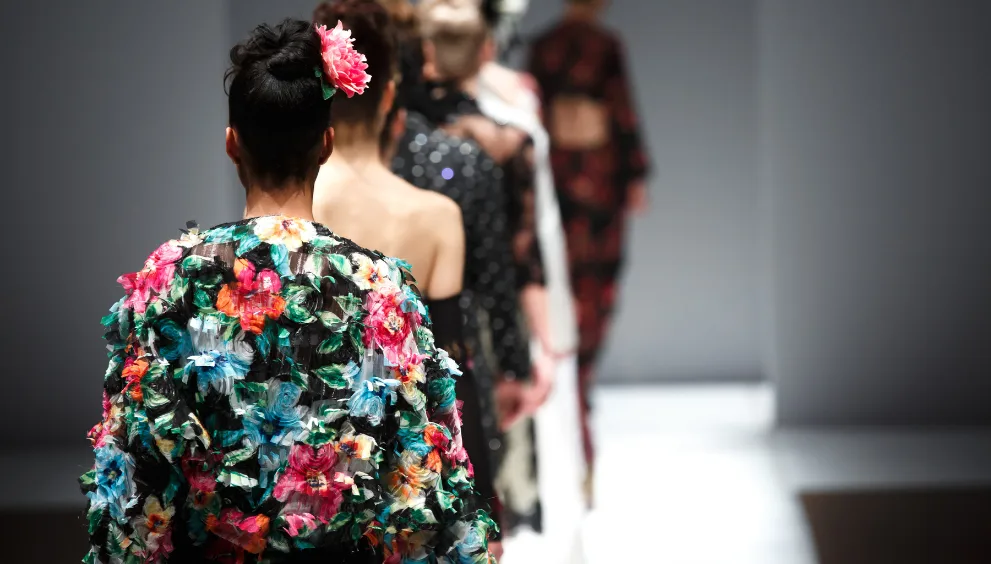
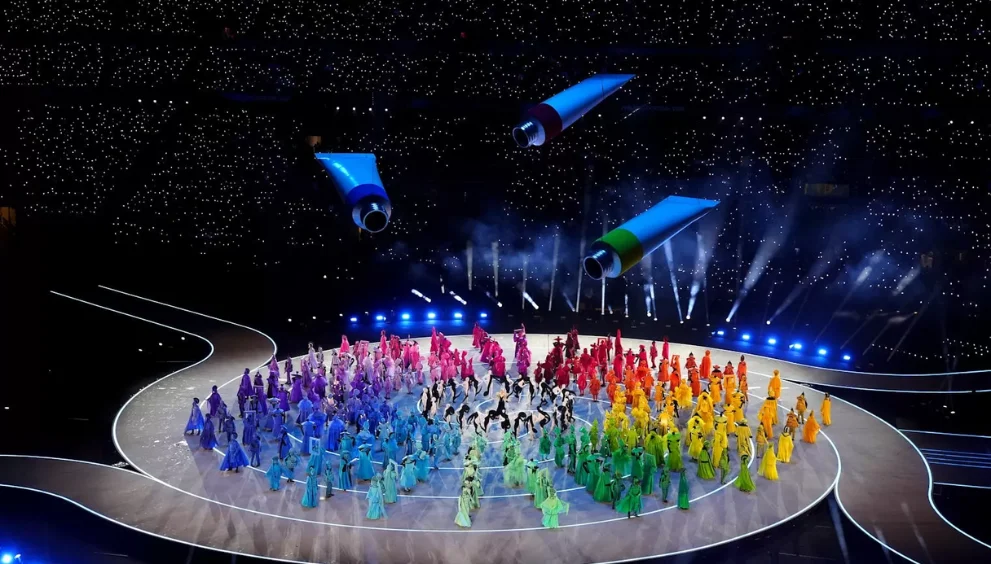
When most people think of the Olympics, they think of sportsmen at their finest in regards to physical capabilities, speeding down snow-covered slopes, flying through frozen air, or rushing down ice-hybridised rinkways. The Milano Cortina 2026 Winter Olympics is, however, not all about records and medals. It is quickly becoming a snowrunway/ a fabulously fashionable mixture of sports and high fashion that no one would have had the foresight to imagine without international focus.
In which better place, then, can you hold the Winter Games than in Milan, one of the capitals of the fashion world, and Cortina d’Ampezzo, the ski resort of all the jet-setters and lovers of skiing? This is a rare mixture that has seen the Winter Olympics being much more than a sports event; it is now one of the very hype cultural events of 2026.
When Fashion Meets Function
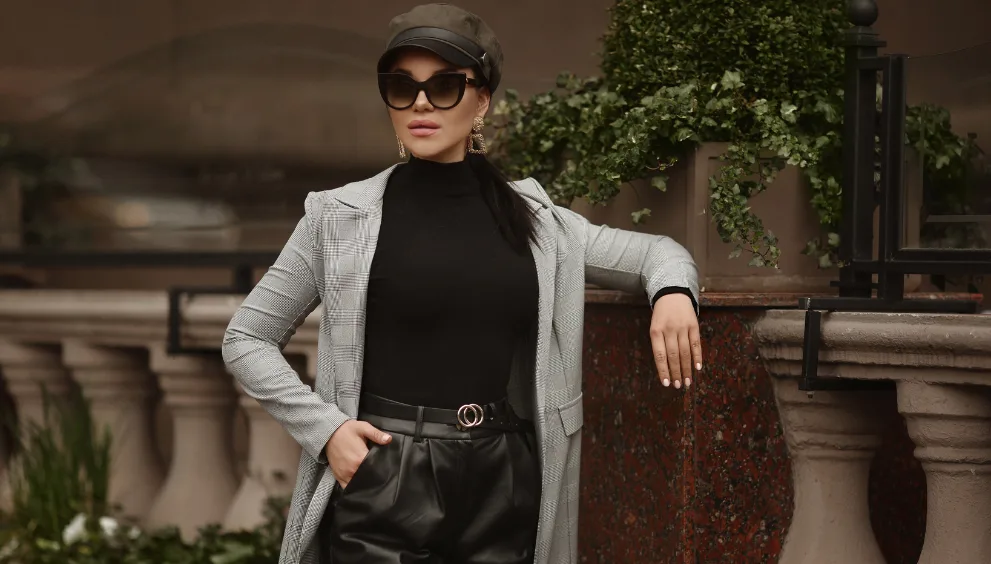
The centre stage of this trend is luxury brands, which have grabbed the Games as an opportunity to flex their creative muscles globally.
An example of this is Ralph Lauren. They have long been contracted to dress Team USA in Olympic attire, which is the same practice since the 2008 Beijing games, but new styles of eye-catching uniforms have just been created with a combination of comforting winter cool and a touch of patriotism. Omnipotent star-spangled puffer jackets that almost shine like the Olympic torch itself.
And even the sartorial scene does not end with Team USA. From Milan to Cortina, the giant brands are integrating their tradition into the Olympic stories:
- EA7 Emporio Armani remains the official outfitter of Team Italy with minimalist chic based on the Italian design DNA.
- Lululemon has fashionably reinvented the uniforms of Canada through glacier-themed colours and non-discriminatory features of design.
- An Italian cosmetics house with strong snowy haute couture credentials, Moncler, returns as a team sponsor with the Brazilian squad, combining performance with haute in the style where social media is already going wild.
Meanwhile, even those teams that do not represent countries that can be readily linked with luxury fashion are becoming innovative. The uniforms of Team Mongolia, which are based on classic nomadic outfits but are made of fine cashmere, show that it is possible to have both a culturally themed and fashionable Olympic uniform.
Boutique, Pop-Up, and Alpine Spirit
The impact of luxury goes further than the slopes and to the streets themselves of the host cities.
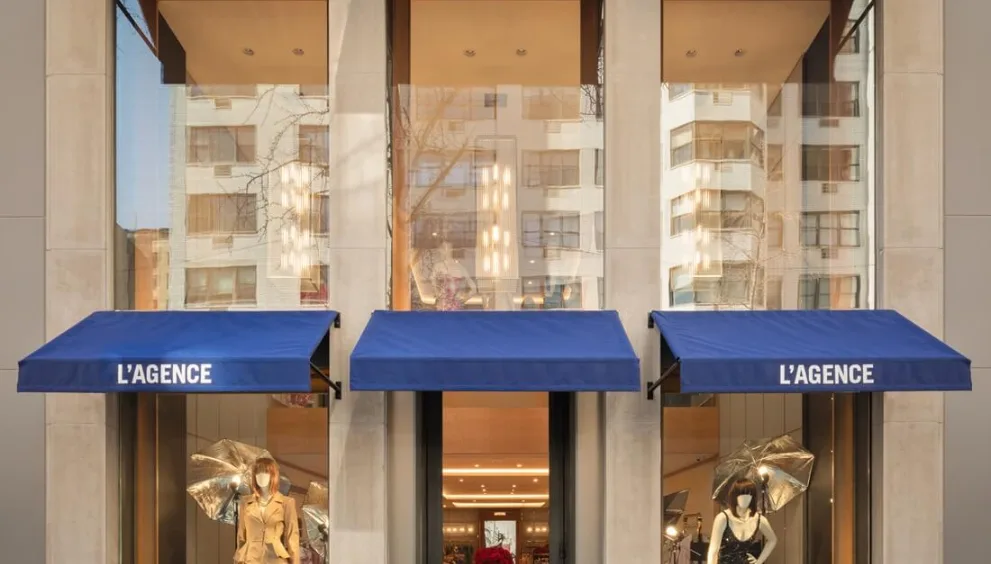
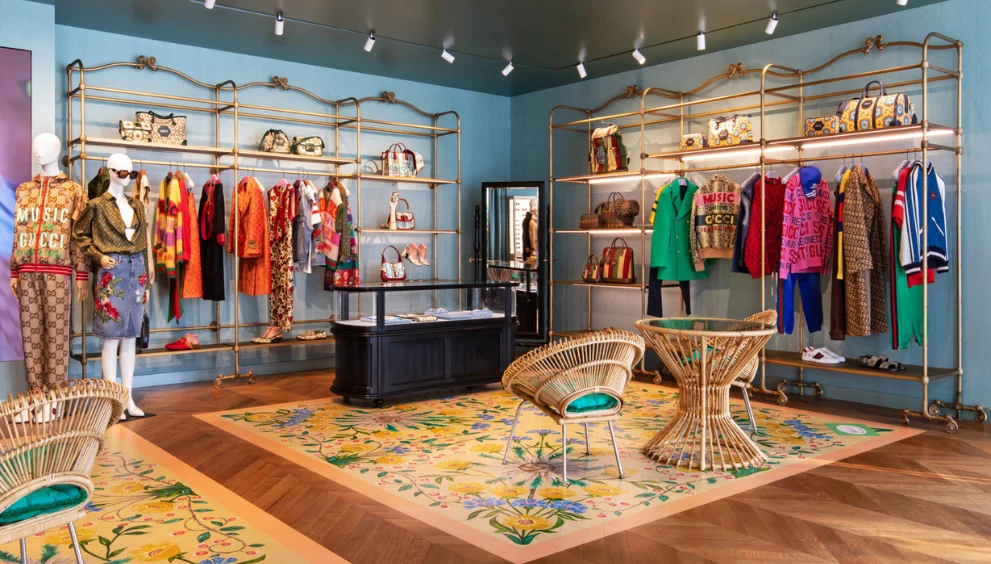
In Cortina d’Ampezzo, a resort town of less than 5,000 inhabitants, posh brands have been frantically establishing or restructuring stores in the expectation of the onrush of the Olympics. Prada, Loro Piana, Dior, Louis Vuitton and Swatch have also redecorated their retail outlets to access the international market coming to the Dolomites.
And to have the ultimate VIP treatment, the glitzy nightlife of Milan and the exclusive clubs, such as the ultra-elite Prive at Armani, to the internationally-trendy hotspots, are preparing their glamorous Olympic nights.
The result? A game that would be more like an international cultural festival than a sporting one, where people watch not only to see the medal-winning and losing, but also to see what everybody wears.
Style as Cultural Statement
The interesting aspect of this phenomenon is not the luxury labels themselves but what they signify.
Sports never enter into it; the Olympics are a reflection of culture. At Milan-Cortina 2026, fashion has, however, taken a different shape, not as a country story, global brand discourse and even cultural diplomacy. Uniforms are not a set of clothes but statements of identity, handicraft, and tradition as viewed by billions of people all over the world.
From the Mongolian cashmere to the Italian minimalist designs, they have some messages about where countries are and how they would like to be seen in the world. In a world in which telling stories is all, fashion at the Olympics is also a new kind of soft power.
Fashionable Heritage outside the Games
Once the lighting of the closing ceremony is switched off and the sportsmen are back with medals in their pockets, it is probably possible to speak of the effects of Olympic luxe lasting longer than the games. The brands that have demonstrated their vision here will bring that prestige to the rest of their collections and experiences to consumers. The fact that Milan is a fashion capital may even expand its reach more internationally, and the Alpine nature that Cortina has may simply turn out to be the next luxury travel and lifestyle story.
To the point, the 2026 Winter Olympics can potentially enter the books of history not only with some of the most exciting endings and memorable winners, but also as the moment when sport and style actually met each other, establishing a new cultural moment that is still vibrant long after the last torch burns.