Image Source – Vogue Australia
Let’s be honest- we’re likely going to watch the Oscars less for the speeches and more for the entertainment of the red carpet. And by entertainment, we mean the outright insane, jaw-dropping, headline-making, museum-worthy moments. But have you thought about how much these dresses cost you?
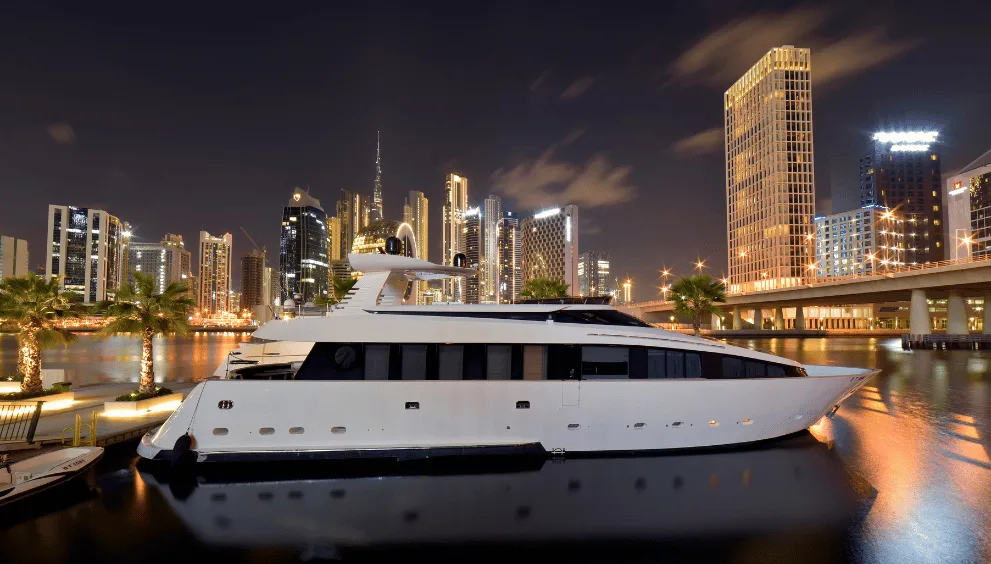
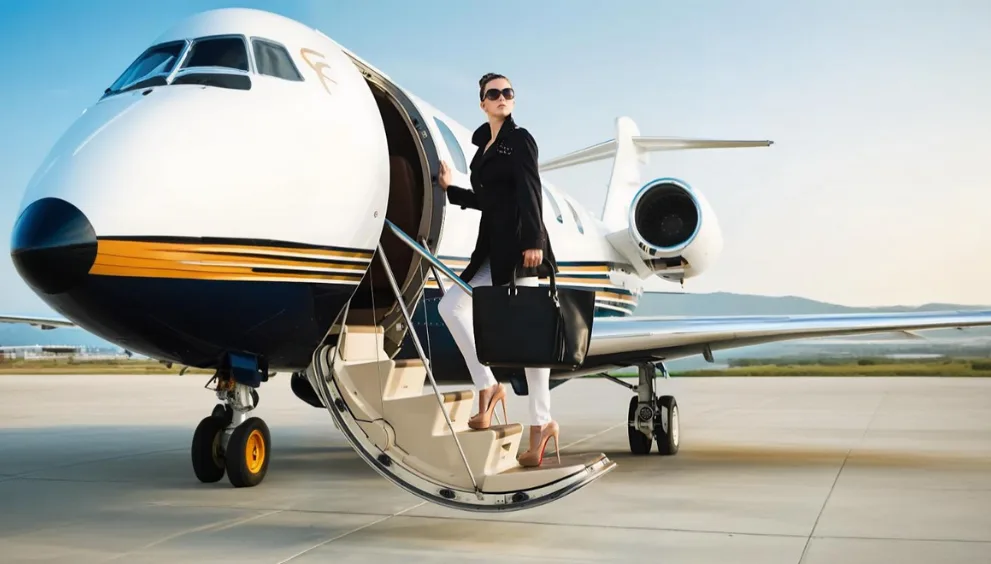
Spoiler alert: some of these iconic Oscar dresses cost more than a private airplane. No joke. The red carpet is less a pedestal upon which Hollywood celebrities can unveil their sense of style- it’s an over-the-top exercise in excess, branding, and economic maneuvering. All those sequins, custom tailoring, and diamond embellishments often run into the tens of millions, and there’s a method to the madness.
Let’s break it down: a private jet can cost anywhere from $3 million to $90 million, depending on size and custom specifications. Hard to believe? Some Oscar gowns have entered that price range. Take Lupita Nyong’o’s 2015 pearl Calvin Klein dress. It was made from 6,000 real pearls and cost an astonishing $150,000 to create, sources say.
That is not throwaway cash. Maybe one of the most remarkable (and perhaps even most infamous) classic Oscar dresses is Nicole Kidman’s 1997 Dior Haute Couture gown, also a John Galliano design. The chartreuse gown received mixed attention, but no one can forget its controversy! Its price tag? A mere $2 million. And Kidman didn’t even win that year- imagine if she had!
You might ask, why would a dress be priced higher than a house in Beverly Hills? It is more than just materials, though diamonds and hand sewing do not come at no cost. It is about quality, exclusivity, and what it says to the brand. The big fashion houses (Chanel, Valentino, Versace, Givenchy) spend months of labor on custom looks. One could assume you would rarely see those pieces again.
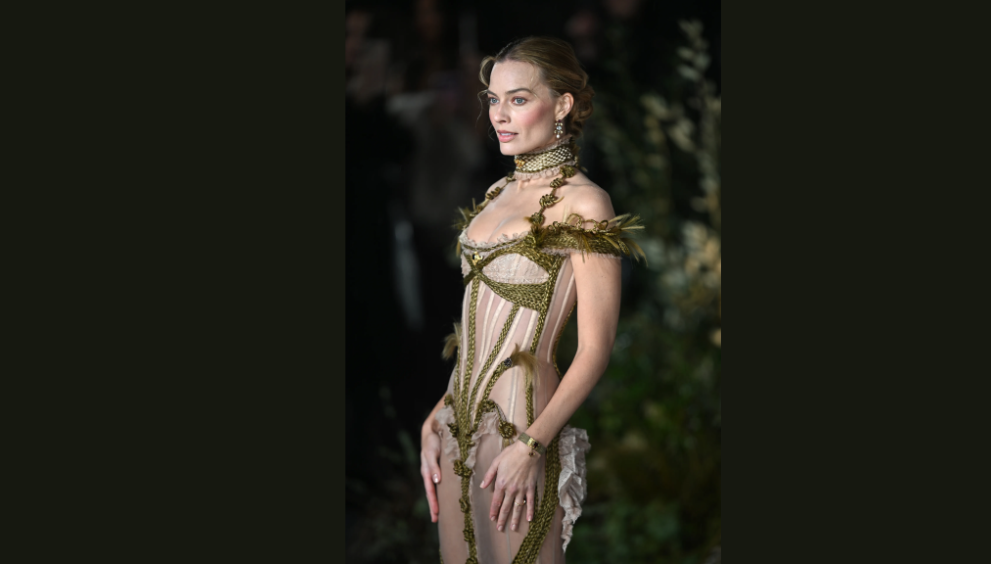
The unique twist is that the stars do not own these gowns – they are not gifted, they are a loan from the designer with the hope that if a gown makes a red-carpet appearance, it gives notoriety to the brand and ultimately bumps in sales. This is a nice form of brand marketing, though a costly risk based on whether the chosen star (Zendeya or Margot Robbie) is the most Googled name of the night.
Others have built their brand on these moments. Remember Giambattista Valli’s pink feathered evening dress that Kendall Jenner wore to the Vanity Fair afterparty? Not even for Oscar night itself, but it had fashion media in a tizzy. Or Jennifer Lawrence’s 2013 Dior ballgown—the one she put on before walking out onto stage to accept Best Actress.
This dress didn’t just give her one of the all-time top Oscar dresses, it also made Dior JLaw’s first choice and got her a $15-$20 million endorsement deal with the label.
Finally, Lady Gaga, in 2019, looked fantastic wearing her custom Alexander McQueen dress and 128-carat Tiffany diamond ring last worn by Audrey Hepburn wore an outfit worth greater than $30 million, making it one of the highest-cost Oscar fashion moments in history.
It’s almost hilarious how these moments blur the line between finance and fashion. The red carpet gets converted into a luxury battleship of high fashion where prime brands push their way in, using their celebrity endorsers as their traveling billboard. And with millions of viewers watching from everywhere across the globe, the return on investment, be it abstract, is often well worth it.
Here’s the million-dollar question (literally): Are the extravaganzas justified? It’s all a matter of opinion. Some call them anachronisms- outdated displays of excess- but that’s just one fashion purist’s take. From a commercial perspective, the brand exposure is often invaluable. From a social point of view, well, it’s complicated.
Especially in a world where economic inequality is the greatest issue, the spectacle of a $2 million dress can be dizzying.
But for better or worse, the Oscars red carpet is nearly as much about storytelling as the films themselves. It’s a status, taste, and power visual statement. And the most historic and iconic Oscar dresses will live long beyond champagne.