Ciao Art Enthusiasts,
It was another amazing journey to Italy where we visited Venice-a city with more ships than cars, a city not situated on the shore of the sea but in the embrace of the sea, a place where humanity has managed to carve out beauty, romance and eternity, history-filled canals. Once a great trading place between Europe and the East, Venice has always represented the richness of its architecture and the persistence of its art.
“If you read a lot, nothing is as great as you’ve imagined. Venice is as great as you’ve imagined.” – Ernest Hemingway.
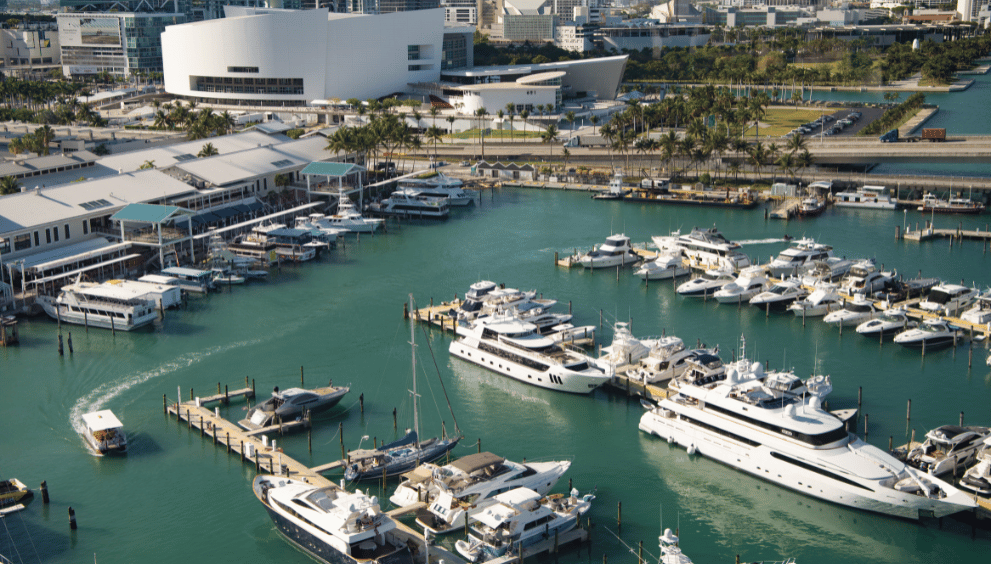
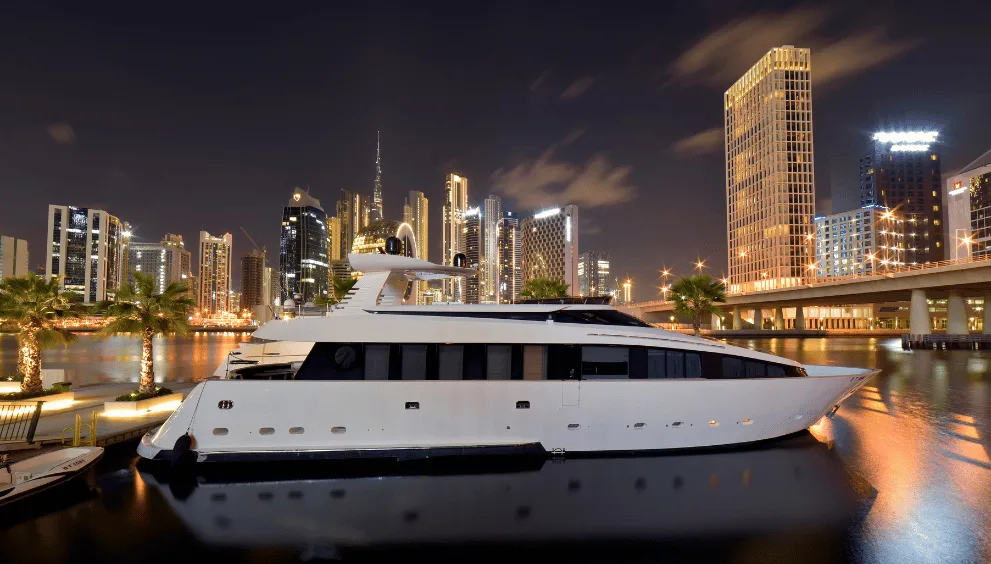
This time though we were not there on a sunset leisurely yacht ride.The reason was the Biennale di Venezia – the so-called Olympic of Art – which started on 10 May and continued until 23 November including a special preview on 8 th and 9 th. It was the 19th Architecture Biennale that had been in life since 1980.
As you can see, the Biennale occurs every year and hence Venice is proving to be the informal capital of world architecture and interior design.
This Biennale full blast in the wind was such as to ask every one:
Who curated it this season?
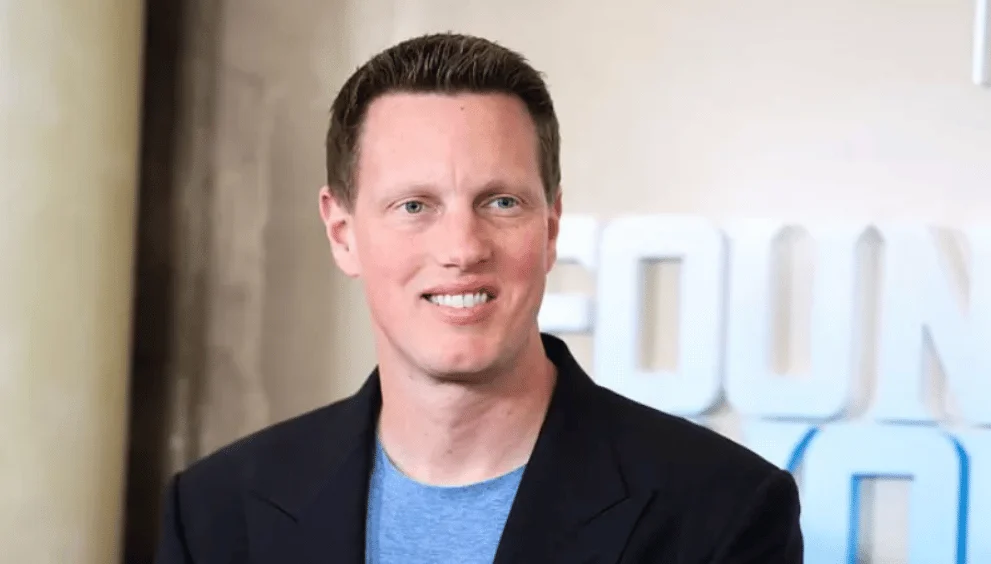
The show was directed by Carlo Ratti who is an architect, engineer and professor at MIT. As a leader in the field of design thinking and application of technologies to the cities, he advanced the anthropocentric vision of innovations and sustainability.
This rendered him to be the perfect brain in the theme:
“Intelligens. Natural. Artificial. Collective.”
The exhibition examined various types of intelligences natural, artificial, and collective, through the works of architecture. It is the first time artificial intelligence actually entered the Biennale stage. Artists also exploited AI to push the limits and challenge the traditional views and redefine the human machine relationship and the origin of the novelty.
With AI also came an exaltation of collective intelligence, the notion that group effort and mutual knowledge are the key to solving world problems. The Biennale was a meeting place, a place where creativity fused with community, where art was symbolic of life, not production.
It was a lesson that when we all thought we would be able to survive even even the highest waves-that is, after all, humanity.
President Pietrangelo Buttafuoco has put it perfectly well:
“An itinerary in the form of a mandate for the year 2025… where every section is sealed with a question mark-the punctuation of possibilities, the abode of the future.”
What the Festival gave to Venice
Global Pavilions
There were 66 national pavilions, four of which are new: Azerbaijan, Qatar, Oman, and Togo. More than 750 participants-architects, engineers, chefs, coders, mathematicians and artists introduced their ideas that represented their cultural outlooks and lifestyles. Its objective was achievable: the future would not see nature and man lost in the development effort.
Sustainability: International Approach.
Sustainability became the main focus. Numerous nations displayed environmentally friendly projects, ranging to adaptive reuse and new experimental materials.
An example of this is the Danish Pavilion, which had its own renovation into the exhibition, which shows what is possible with the use of waste materials during the entire building process.
A Theme for Our Times
The vision of Carlo Ratti was founded on the values of the ability to adapt and hope. As Venice experienced climate uncertainty, the exhibitions encouraged architects to redefine this created environment. The Latin Intelligens does not simply allude to the concept of intelligence; with genes, or people in it, it brought to our mind that the ability to make our destiny is in our-together hands.
Featured Artists
New faces and old giants were introduced to this year creating a perfect balance between innovation and expertise.
Debuting Participants
- Lena Wu, who made installations that relate technology and nature.
- In Building Biospheres, a prototype of plant-integrated interior environments, Bas Smets and Stefano Mancuso appear.
- Having had their own time at Living Structure, Kengo Kuma and Associates combine Japanese carpentry with AI to reuse uneven timber.
Returning Visionaries
- Lina Ghotmeh -Architecture, carrying on with her project of sustainability and social awareness.
- Philippe Starck, who was known for attachment-pushing installations.
- The Gramazio Kohler Research (ETH Zurich) is the leader of digital fabrication and architectural robotics.
These were only some of the hundreds of voices that were reminding us that art is not beautiful-it is useful and essential and transformative.
Attending the Art Olympics
One could get tickets in two ways:
- Online, on the official site of the Biennale – strongly suggested because the most popular days were sold in a short time.
- In the Giardini (Viale Trento) and Arsenale (Riva de Ca’ di Dio) it is open on-site between 11 am to 7 pm.
Certain exhibitions were gratis and students, seniors and groups received a discount. The guided tours, particularly at the time of the international theatre festival, were spectacular.
Event Venues
- National pavilions Giardini at Viale Trento 1260 and Sant’Elena.
- International Architecture Exhibition: Arsenale at Campo della Tana 2169/F and Ponte dei Pensieri.
Venice made its small islands to become extensions of the festival this year. Pavilions, installations, and events were taking place throughout lagoons and secret spaces transforming the city into the living breathing art gallery.
What the 19th Biennale has given to us
At the end of the day, it was not only the illustration of the creative genius but a call to action, the 19th International Architecture Exhibition. It invited artists, engineers, thinkers and dreamers to unite their energies, embrace AI, and find out new elements of the mind, as the stakes are too great.Environmental and social struggles are not only to survive, but to prosper.
The Biennale made us realize that we are art- just as all the things around us.