






































































































The Rise of Digital Art Galleries

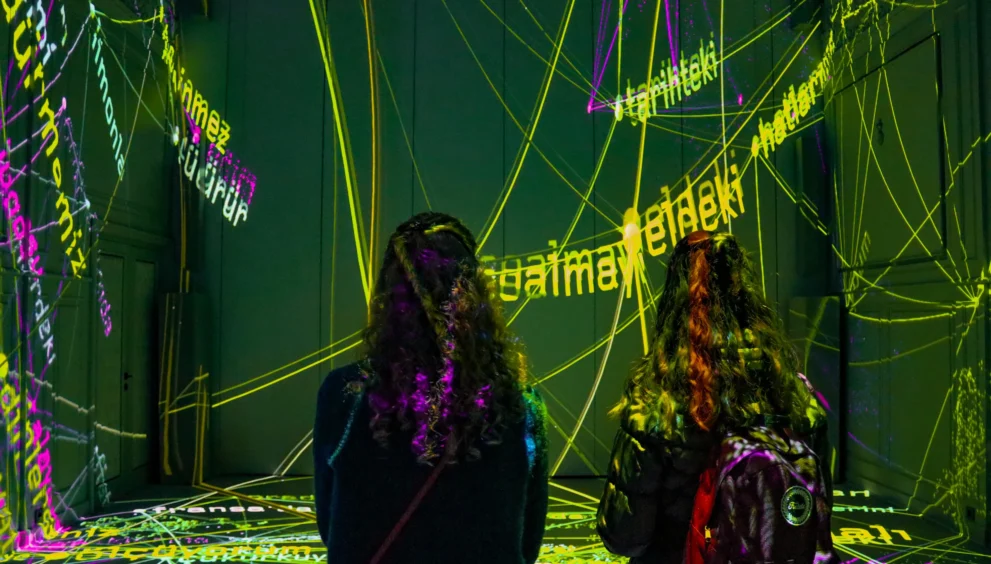
Ever imagined watching world-class art without buying expensive plane tickets or even leaving your couch? This is now possible.
Welcome to the world of Digital Art Galleries, where creativity meets technology. It is a massive opportunity to display your art to everyone, everywhere!
In this blog, we’re diving into what digital art galleries are, why they matter, and how they’re changing the future of art and culture. Whether you’re an artist, a collector, or just someone who enjoys a good visual experience–this one’s for you.
Digital Galleries And Why They Matter?
Digital Art Galleries are a virtual space, often online in the form of a website, showcasing and selling digital art such as illustrations, paintings, sculpture, new media art, NFTs, etc. It offers 24/7 access to art, attracting a global audience to explore and purchase art at their convenience. It can further offer immersive and interactive 3D and VR (virtual reality) experiences.
Its rise can be traced back to the 1960s when algorithmic art was introduced with the evolving uses of technology. However, it wasn’t popular until the 2000s with platforms such as DeviantArt, Behance (early 2000s), Google Arts & Culture, etc. Moreover, there exists a variety of digital art galleries. To name a few, Web-based Galleries (ArtStation or Behance), 3D or VR spaces (Spatial), NFT Galleries (SuperRare or Foundation), or AR Exhibits where you can use your phone to overlay art in your room!
Why do Digital Art Galleries matter? We can find its significance in the way it is redefining art, and how art is perceived, consumed, and appreciated. Here we have listed a few for you –
- Democratize art by making it more accessible.
- Offer global reach to artists regardless of geography.
- Allow for experimentation with new forms (AI art, interactive art).
- They are sustainable and cost-effective compared to physical galleries.
Will Digital Art Replace Traditional Art Galleries?
A few distinguishing factors, such as global inaccessibility and reach, necessity to be physically present, less immersion of the audience, high costs of space etc., can probably make people choose digital galleries over traditional galleries. However, replacing the traditional art galleries completely is far from possible. Traditional art galleries are adapting to the new styles of art galleries by incorporating digital art into their exhibitions, creating hybrid experiences that blend physical and digital art. Museums such as The Museum of Modern Art (MoMA) are also exploring digital archives and interactive installations to engage with audiences in new ways. No doubt, there are a few drawbacks to digital art galleries as well. Digital art is easy to replicate and copy; therefore, artists can come across challenges in establishing the uniqueness and exclusivity of a digital piece. Another reason is that the digital format can’t fully replicate the spontaneous interactions of physical events. Thus, networking and relationship building can be more challenging, which contributes to the cultural landscape of the community.
Imagine The Louvre in the coming decades!
Going one step further, we can see Digital art galleries evolving into immersive institutions. These spaces don’t just display art, they immerse you in it. The artwork responds to movement, sound, or even data input. To illustrate, imagine a traditional art gallery like the Louvre. Now imagine this – a VR room where the Mona Lisa winks at you, a tour guide speaks in your preferred language, or a 360-degree view of Da Vinci’s world. This is exactly how digital art galleries work and may better themselves in the future.
Impact Of The Rise of Digital Galleries On Your Lives
The reason you should know about the rise of contemporary art galleries is linked to the fact that they are making a big shift in the art and culture of ancient times, also impacting the economy and art industry. Artists can sell digital works directly via NFTs and digital prints, as it allows artists to sell works without galleries taking massive commissions. People who might never walk into a gallery can now explore art from their phone. Start-ups and platforms are booming in the digital art economy as artists, curators, and developers collaborate across borders. A parallel industry is being formed that is more inclusive, experimental, and tech-savvy.
The best part is that these new era art galleries are catering not only to the population who appreciates art but simultaneously to new audiences, promoting and encouraging visual art. It provides easier access to art education, more interactive ways to explore creativity, shopping digital prints or NFTs as décor or investment, and engaging in art creation through digital tools (Procreate, DALL·E).
Good news for creatives and tech lovers—this space is bursting with potential. If you’re into design, coding, or storytelling, digital art galleries open up paths like Digital Illustrator or Concept Artist, VR/AR Gallery Designer, NFT Curator, Creative Coder, or Motion Designer.
Here Is How You Can Participate And Benefit Yourself
Want to be part of this digital revolution? There are platforms that can help you learn: Domestika for Digital illustration & design courses, School of Motion for Motion graphics and animation, and Coursera for Art & tech programs from top universities
Digital art galleries are not just a trend; they’re part of a bigger cultural and creative revolution. Whether you’re a creator, collector, or just a curious soul, your art deserves a global audience, and digital galleries offer a unique platform to spotlight and monetize your artistic talent or elevate local art onto a global stage. There’s something incredibly powerful about seeing art evolve beyond frames and canvas. So, go ahead and explore the opportunity of the virtual gallery yourself. The future of art is digital, and you’re already part of it.
Explore Art – ArtStation, Behance
Create or Host Your Gallery – Kunstmatrix, Spatial.io
Buy/Sell Digital Art – SuperRare, Foundation, OpenSea