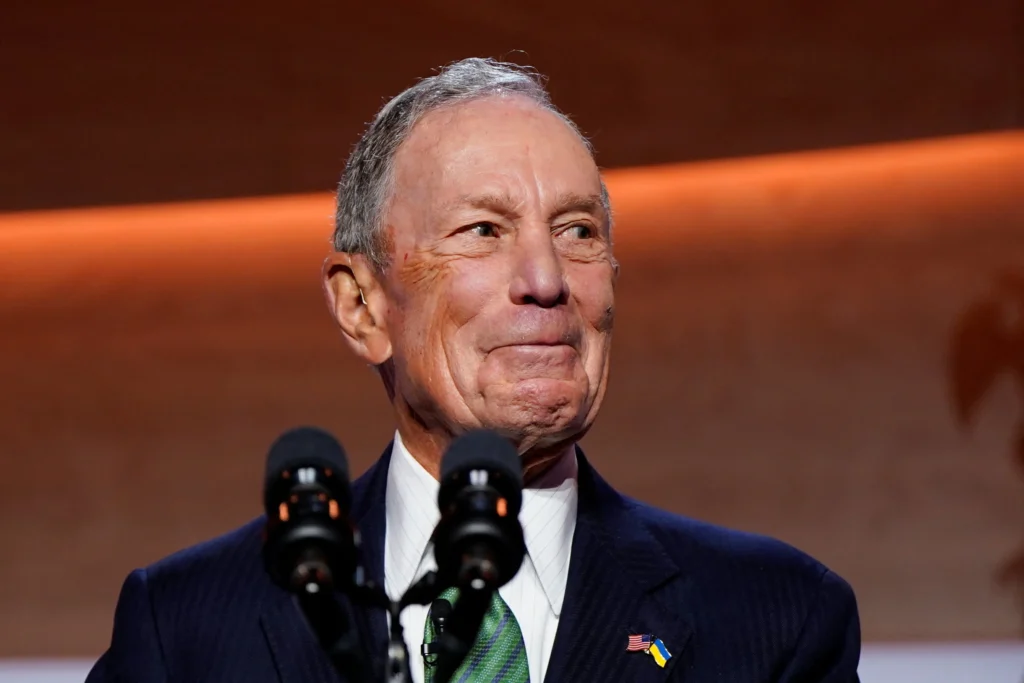
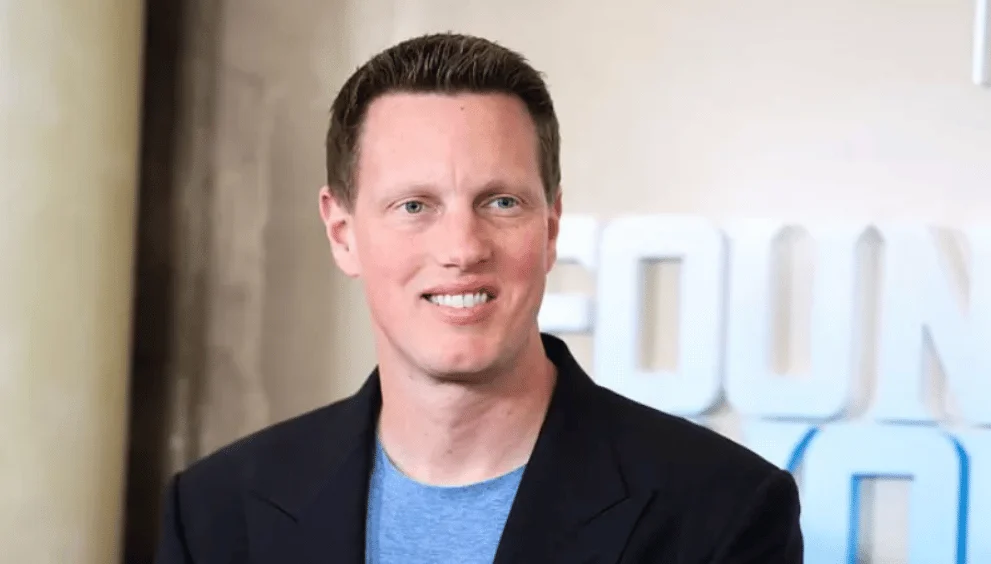
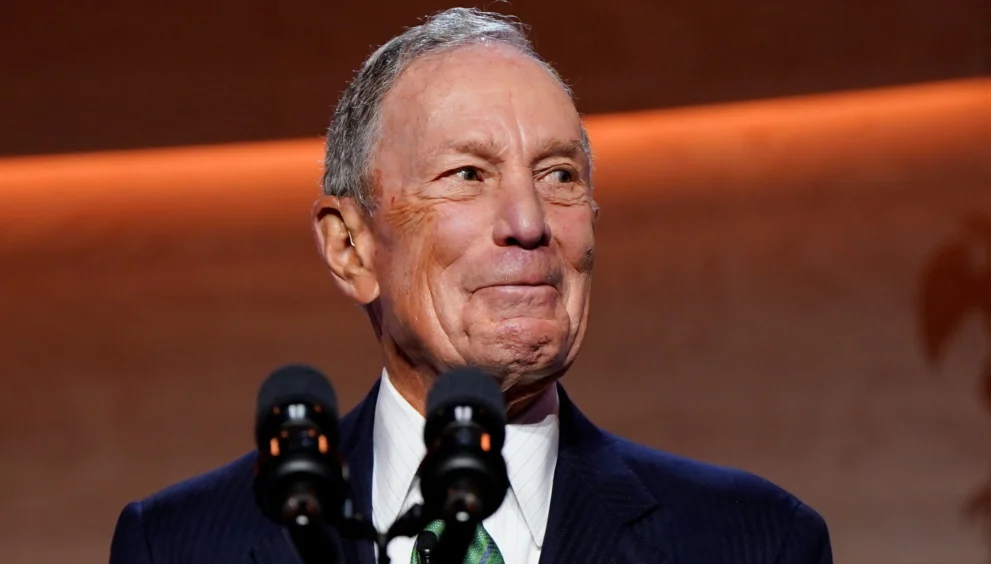
Michael Bloomberg isn’t your typical billionaire. Sure, he’s worth over $90 billion, has his name plastered across media empires and philanthropic causes, and once flirted with the idea of running the free world. But unlike some of his ultra-wealthy peers, Bloomberg seems oddly uninterested in flexing just how rich he really is. No mega-yacht, no golden golf courses, no social media showing off diamond-encrusted sneakers. And it’s not because he can’t afford it. He just… doesn’t see the point.
That choice—quietly radical in a world obsessed with spectacle—says something pretty profound about where billionaire culture might be headed.
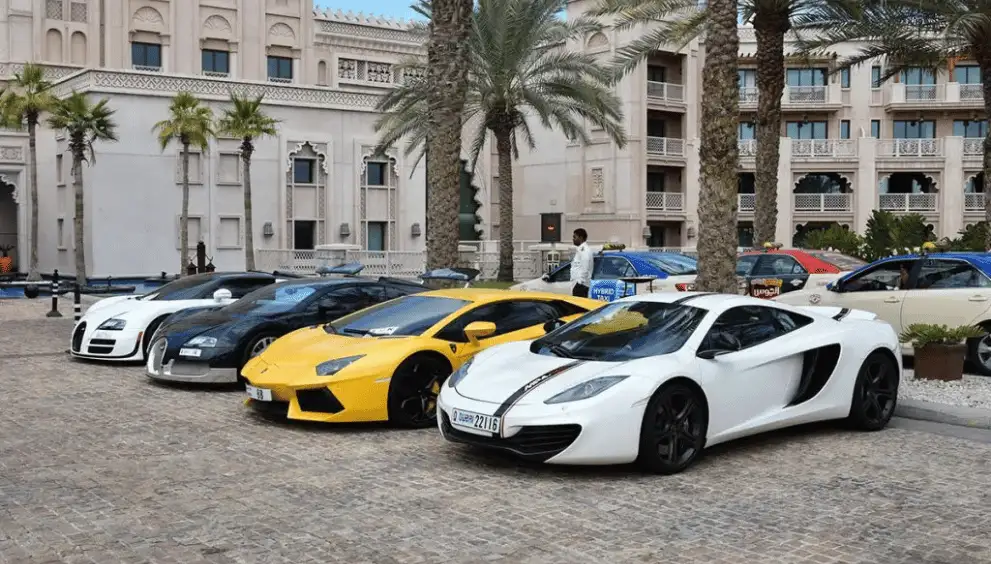
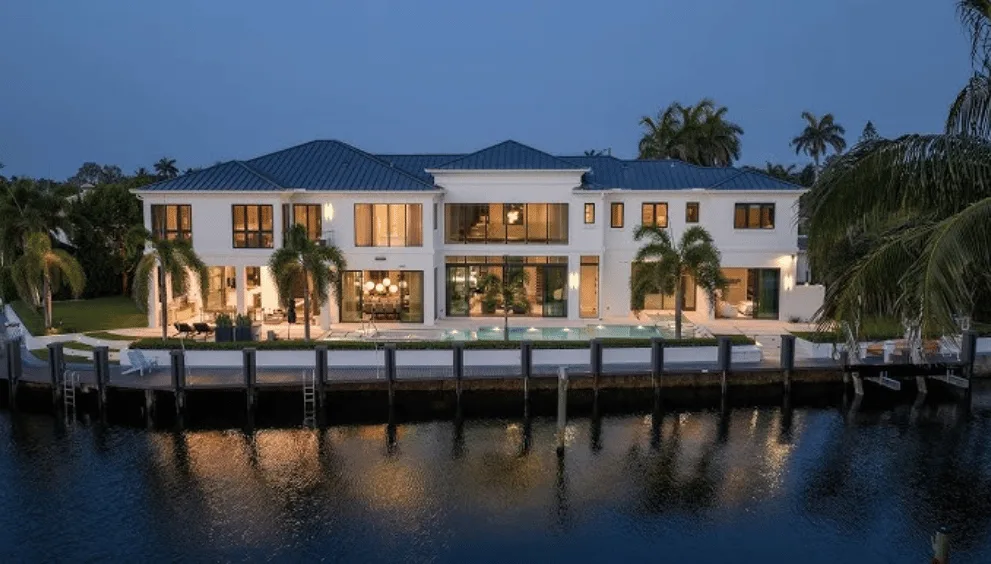
Let’s be real: we’re living in the age of flex. Multi-millionaires have turned into movers and shakers. Elon Musk is a crypto bro, a 20-year-old tweeter. Jeff Bezos is a cowboy hat-launching space voyager. Even informal ones, such as Mark Zuckerberg, are just cage-fighting and putting thirst traps out of the blue. During this period, it is not sufficient to be wealthy, but rather to be visual when it comes to manifesting wealth. The identity has been assimilated with excess.
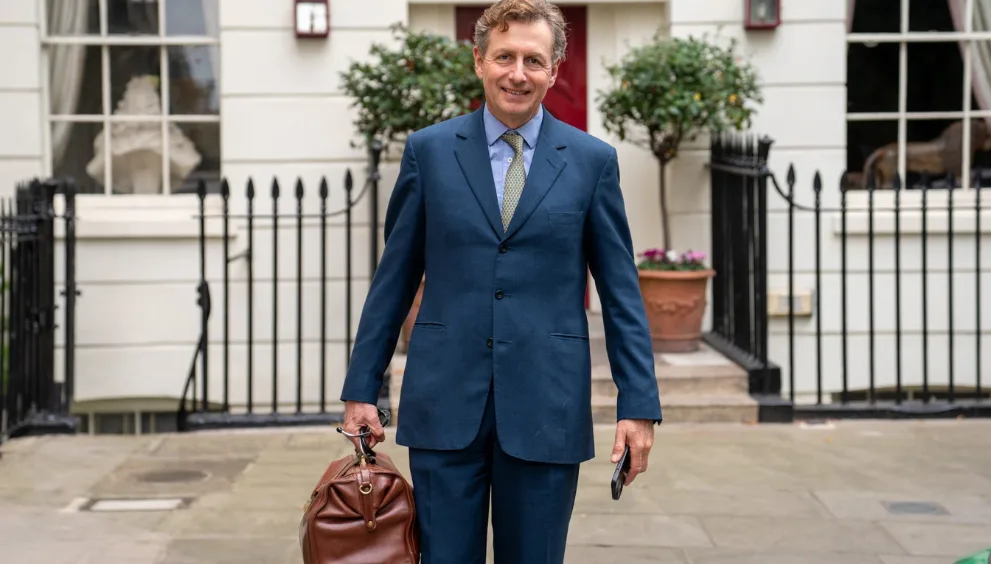
However, there is Michael Bloomberg. The man continues to reside in a five-story flat in the Upper East Side of Manhattan, not exactly modest, though nothing to the palace of what he might own. He does commercial work occasionally. He has been caught riding on the subway. He earned no salary during his time as mayor of New York City and paid the staff’s perks with his own money. Nothing dramatic, nothing courtly, no diamond dogs and pet tigers. Just a guy in a blue tie with a thick Boston accent and an obsession with data.
His modesty isn’t performative either. Bloomberg doesn’t talk much about himself unless necessary. His public image isn’t built on being relatable or eccentric. He doesn’t pretend to be your friend or a genius or some techno-messiah. He’s just Mike Bloomberg, the guy who built a financial data company and decided to give most of his money away. Simple. Unsexy. And kind of revolutionary in its own way.
So why does this matter?
Because it hints at a possible shift—or at least a split—in how wealth is perceived and wielded, on one side, you have the flash. The billionaires who view money as both a tool and a megaphone. On the other hand, you’ve got the quieter moguls like Bloomberg who treat wealth almost like a utility: powerful, but not the whole point. And that change in style might eventually result in the way the future generations of mega-rich individuals will consider responsibility, image and power.
Bloomberg has also promised to donate most of his wealth upon his death to his own foundation, Bloomberg Philanthropies. He has already donated billions, and he is not stopping. And it’s not just about writing checks. Bloomberg brings a CEO mindset to philanthropy, obsessing over metrics and outcomes, holding grantees accountable, and treating donations like investments that should generate measurable returns.
That’s a big deal in a time when trust in billionaires is slipping. More people are questioning whether extreme wealth is ethical in the first place. There’s a growing discomfort with the idea of private individuals having outsized control over public life, especially when those individuals seem to use their money as a way to opt out of the rules the rest of us live by.
In that regard, the fact that Bloomberg does not show off his wealth is not merely a personality trait. It is a minor critique of the fact that being rich implies living higher than the rest of the population. It is a silent ballot in favour of prudence, responsibility, and investing money in making things right as opposed to merely purchasing more products.
Of course, it is no trouble to paint Bloomberg as a kind-hearted billionaire and contrast him with more flamboyant and conspicuous ones. But the reality in life is not always like that. Bloomberg has not been an ideal serving mayor of New York, and his business behaviour has been questioned. He remains among the 0.01 per cent, and he continues to possess an impressive billion dollars of economic and political power. However, his approach to money, and more to the point, the way he spends it, is a breath of fresh air in a world where everyone is in an effort to become the next going-viral bank account case.
Restraint is the Future
The fact that the new generation of extremely rich leaders will perhaps resemble Bloomberg more than Musk may be due not to their inherent humility but to the fact that the culture of affluence is beginning to change. The younger generations are more sceptical about conspicuous consumption. The concept of the way people think about success is being influenced by climate anxiety, wealth inequality, and social justice. Flashiness is beginning to go out of tune. And, perhaps, only perhaps, self-restraint will be the new flex.
Bloomberg is unlikely to be trying to initiate a trend. He is just doing what is logical to him. But in a world flooded with performative excess, even choosing not to perform is a statement. Maybe the future of ultra-wealth isn’t about gold-plated jets and internet clout. Maybe it’s about doing something quietly powerful with what you’ve got—and leaving the noise behind.